Choose timezone
Your profile timezone:

📢 Registration closed!
🗓️ Date: Monday 2026-04-13 to Friday 2026-04-17
📍 Location: Clarion Hotel Malmö Live - Malmö, Sweden
✉️ Host: European Spallation Source ERIC
ICANS (International Collaboration on Advanced Neutron Sources) is a network of laboratories whose scientists and engineers are involved in developing pulsed neutron sources and accelerator based spallation neutron sources. The ICANS was founded in 1977 as a forum to promote discussions, collaborative work, and to share information on three main topics: accelerators, targets & moderators, and instruments. The meetings have been held 24 times around the globe and now we are happy to be able to welcome you to the celebratory 25th meeting.
ICANS XXV will be held from 13-17 April 2026 in Malmö, Sweden. The ESS site is situated just 20 minutes from Malmö in the outskirts of Lund. The venue for the meeting is Clarion Hotel Malmö Live. You can read more about the hotel/venue and how to make a room reservation here.
Malmö is Sweden's third biggest city and it's closely connected with Copenhagen (Denmark) and the rest of Europe via the Øresund Bridge. We are planning an excursion that will give you the opportunity to learn more about the history of Malmö.
Further details, including the official program will be shared in due course. Note though that the topics of the conference are:
Proceedings will be published in Journal of Physics: Conference Series. Papers have a limit of 8 pages and need to follow the guidelines of IOP. Submission is now open and the deadline for submission is 31 May 2026. Please use the link below to submit your paper:
Accepted posters need to be printed in vertical (portrait) A0 format.
We can't wait to see you there!
/ICANS XXV Local Organising Committee

SCK CEN is developing MYRRHA, a large-scale Accelerator Driven System (ADS). MYRRHA shall be a subcritical nuclear reactor driven by a high-power linear proton accelerator (600 MeV @ 4 mA), which sustains the nuclear reaction. In the initial phase, known as the MINERVA project (100 MeV @ 4 mA LINAC), the goal is to demonstrate the high reliability requirements on the accelerator as required for an ADS.
This work reports a joint development between ESS Bilbao and SCK CEN in developing the MINERVA 17 MeV injector beam dump and the 100 MeV tuning beam dump (a.k.a. DUMP-OT) concept for proton beam-tuning operations. A unified design approach satisfies both beam dumps requirements by leveraging consistent average power (4 kW) and pulse duration (4 ms), while accommodating peak powers of 68 kW and 400 kW respectively. The concept meets ultrahigh-vacuum (UHV), activation and waste-management constraints and is designed for long operational life. The assembly is intended to be installed inside a shielded, activated cave with no possibility for readjustment and maintenance after installation. It ensures safe, repeatable superficial deposition of the beam through a shallow grazing angle (≈5–6°). Design and operational requirements (UHV compatibility, activation management and long-term robustness) guided the material selection and the mechanical layout.
The principal technical innovation is a modular first-wall composed of discrete CuCrZr “mushroom” elements. The proposed configuration consists of 48 independent CuCrZr mushrooms, each mechanically fastened (M24 nut + washers) to a common water-cooled CuCrZr plate with embedded cooling channels. Each mushroom features a head, neck and shank geometry optimized to control local heat fluxes and to reduce peak thermal stresses; the mechanical preload of the bolt ensures axial contact while a designed discontinuity at the interface tunes heat transfer and accommodates differential thermal behaviour. This modular, bolted design concentrates the beam load into independent elements while conducting heat into the common water-cooled block via the embedded channels, enabling effective thermal management under reduced duty-cycle operation.
Structural and thermo-mechanical verification has been performed using finite element models of the DUMP-OT assembly (316L vessel and piping), using an equivalent mass representation for internal components and detailed material data for CuCrZr. The finite element analyses confirm the integrity of the vessel and support the recommended fixation and support strategy to avoid local stress concentrations. Material selection and modelling have been carried out accounting for CuCrZr’s thermal and mechanical behaviour under the expected operating temperatures and loads.
Prototyping and component-level studies confirm the feasibility of the mushroom-based concept (thermal performance, bolted contact mechanics, thermocouple instrumentation and monitoring, cooling circuit suitability) and inform the final Integration & Testing and manufacturing strategy for a first-wall able to withstand the proton beam footprint. The modular CuCrZr mushroom and water-cooled plate approach provides a flexible and thermally efficient solution for beam dumps in MINERVA-like facilities.
Keywords: Beam dump; MINERVA; MYRRHA Phase I; beam tuning; CuCrZr; mushroom; water-cooled plate; ultrahigh vacuum; FEA; thermo-mechanical analysis; prototype
An update of the ESS target station project will be given.
The pulsed spallation neutron source at the Materials and Life Science Experimental Facility (MLF) of the Japan Proton Accelerator Research Complex (J-PARC) consists of a mercury target, three liquid-hydrogen moderators and a beryllium and iron reflector, providing high intense pulsed neutron beam toward to 21 instruments. As of February 2026, the neutron source has been operating stably with 700 kW proton beam. In May 2024, the MLF achieved its operational goal of 1 MW at 25 Hz for two months during user operation.
In both 2024 and 2025, moisture in a helium vessel was detected during beam operation, leading the beam operation stop. In each case, the target vessel was replaced with a new one. The current target vessel is challenging toward a two-year operation under 800 kW equivalent proton beam. This summer, the moderators and reflector will be replaced for the first time since beam operation began in 2008. The proton beam window will also be replaced with a new one.
Ongoing efforts to improve the neutron source include the development of the mitigation technique for cavitation damage in target vessel, abnormal incident detection of target vessel, and new material for moderators and a reflector.
In this presentation, I will report on the current status and upgrade plan of the pulsed spallation neutron source at MLF, J-PARC.
In 2011, a spallation neutron source dedicated solely to the production of ultracold neutrons (E_kin < 300 neV), referred to as UCN, began operation at the Paul Scherrer Institute (PSI), Switzerland.
The key feature of the facility is a cold moderator containing about 30 liters (~5 kg) of frozen deuterium kept at a temperature of 5 K. This ice block first moderates the thermal neutrons originating from the surrounding heavy water moderator and subsequently downscatters them into the ultracold regime. The neutrons are produced in a lead based spallation target that is very similar in design to the well established SINQ targets. Ultracold neutrons are produced during an 8 s long proton pulse delivered periodically every 300 s by PSI’s continuous wave proton accelerator HIPA. These neutrons are stored in a 1.6 m³ storage vessel and then delivered to the experiments.
The early operational phase showed that handling liquid deuterium — its para-ortho conversion, the filling process into the moderator vessel, and subsequent solidification — is a demanding procedure that required optimization over several years.
This presentation provides an overview of our solutions to some of the specific challenges associated with handling all three phases of deuterium. In addition, we report on our approach to mitigating frost build-up on the surface of the deuterium ice, which causes additional scattering losses of ultracold neutrons and therefore reduces their number available for experiments.
We have recently started a major refurbishment project aimed at repairing some faulty components which have emerged in recent years and, in parallel, further increasing the ultracold neutron yield. Many key components will be replaced. In particular, the design of the solid deuterium moderator vessel is undergoing a fundamental revision. A brief outline of this project is also included in the presentation.
The China Spallation Neutron Source (CSNS) is an accelerator-based multidisciplinary neutron user facility located in Dongguan, Guangdong, China. Following the opening of three neutron instruments to users in October 2018, eight additional instruments have been constructed in recent years under the Cooperative Instruments Project. The CSNS-II Project commenced in January 2024, with nine neutron instruments currently under construction, which will bring the total number of CSNS neutron instruments to 20. This presentation will provide an overview of the CSNS neutron instrument suite, its operations, and scientific applications, along with a description of the design and performance of the CSNS-II neutron instruments.
Abstract is attached.
The major goal of a conceptual exploratory study at the Second Target Station (STS) of the Oak Ridge National Laboratory’s (ORNL) Spallation Neutron Source (SNS) was to develop an alternative moderator design with a significantly improved neutronics performance at longer wavelengths compared to the current final design, which comprises supercritical parahydrogen moderator, light water premoderator, and a beryllium reflector.
A wide range of MCNP radiation transport (neutronics) calculations was performed with various geometry configurations and four candidate materials: solid and liquid methane and supercritical ortho- and para hydrogen. None of the alternative designs with a single material and geometry modifications outperformed the current design. However, a significant neutronics gain was achieved with a design that combined a central region made of solid methane at 20K and an outer region filled with supercritical parahydrogen at the same temperature. In this configuration, a relatively transparent flowing hydrogen can efficiently cool the submerged methane core with a higher proton density, which increases both neutron production and extraction.
In this alternative design, the peak of the neutron energy distribution is shifted towards longer wavelengths (from 3 Å towards 5 Å). At 5 Å, the peak neutron brightness improves considerably by 60%, while also providing a steeper leading edge of a neutron pulse with a sharper summit and better time resolution (FWHM) by 20%. Such a remarkable improvement is achieved when using scattering kernels for solid methane “smeth.40t” from the ENDF/B-VIII.0 library. However, this improvement is reduced only to 20% for peak brightness and 10% for resolution when employing newer scattering kernels available at the European Spallation Source (ESS)’s GitHub repository of the Spallation Physics Group [1]. Although both data files have similar cross sections for inelastic neutron scattering, the latter file shows a significantly higher cross section for elastic scattering at low energies (a factor of 5 higher at 5 Å).
Clearly, the selection of neutron data has a dramatic effect on the predicted performance of this alternative design with solid methane. Additional investigation of the difference in the files is necessary, potentially requiring experimental verification at one of the current or planned moderator test stations.
As another final note, although this design might not be suitable for high-power sources such as the STS due to radiolysis and spontaneous energy release from solid methane, it can provide an attractive alternative for designing low-power neutron sources where this issue is limited.
[1] Jose Ignacio Marquez Damian, https://git.esss.dk/spallation-physics-group/methane-tsl-libraries/-/blob/main/ace_files/smeth-0210.ace as of 03/24/2026
The planned upgrade of the neutron guide system at the Budapest Research Reactor (BRR) creates an opportunity to replace the existing hydrogen disk moderator with a new design. Using the Monte Carlo code PHITS we investigated two options: box-shaped para-hydrogen moderator and assemblies of flat para-hydrogen moderators. The simulations indicate that the optimal solution for the phase-space requirements of the BRR instruments is 4x8x16 cm³ box, which provides a brightness gain of 2 - 2.4 in the wavelength range of 3 - 7 Å. Adding a 4 mm-thick water shell yields an additional 10% increase in brightness. The assemblies of flat para-hydrogen moderators outperform box geometry by about 20% at 2 Å, while being less efficient for colder neutrons. We identified the key limitations that prevent the assemblies from providing higher brightness.
We investigated the potential of liquid Hydrogen Deuteride (HD) as a cold neutron moderator to bridge the gap between high-brightness, low-dimensional hydrogen-based sources, and high-intensity, large-volume deuterium-based sources. While cold neutron production traditionally relies on the high moderating efficiency of liquid H2 for brightness or the low absorption of liquid D$_2$ for intensity, HD offers a unique set of midway neutronic properties [1]. Specifically, HD boasts approximately half the absorption cross-section of liquid H$_2$ while maintaining a significantly higher scattering cross-section than D$_2$, potentially enabling the design of moderators that are both compact and intense.
We first validated the Thermal Scattering Library (TSL) for HD at crygenic temperatures based on the work of Huusko, A. [2] using MCNP6.3 to reproduce historical experimental results at the Hokkaido electron linac [3]. The simulations demonstrate an excellent qualitative correspondence with experimental data, accurately capturing the peak energy at 2.4 meV and the cold-to-fast neutron ratios. Furthermore, the model successfully reproduces the pulse shapes and decay times across various energy ranges, providing a solid foundation for a predictive analysis.
In order to better understand the range of applicability of a HD moderator, we conducted a comprehensive computational study across three common large-scale facility configurations: a decoupled pulsed spallation source, a coupled pulsed source with pre-moderation, and a continuous reactor-like source. We tracked the geometric mean between brightness and intensity as Figure of Merit (FOM), as well as other auxiliary metrics, to evaluate the performance across a grid of moderator dimensions.
We found that HD’s performance is highly dependent on the surrounding neutron spectrum:
References
[1] Guarini, E. et al, Hydrogen Deuteride for Cold Neutron Production: A Model for the Double Differential Cross Section. Applied Sciences 14, 4718, 2024.
[2] Huusko, Alexander, Calculation of neutron scattering libraries for liquid ortho-deuterium and hydrogen deuteride, Master Thesis, 2022
[3] Sasaki, K. et al, Experimental studies on neutronics of CH$_3$D and HD cold neutron moderators, in: Proceedings of the JAERI-Conf 2001-002 and KEK Proceedings 2000-22, International Collaboration on Advanced Neutron Sources ICANS-XV, Tsukuba, Japan, 2000.
The McStas[1-3] Monte Carlo ray-tracing package for neutron instrument simulations was founded at RISØ in Denmark in 1997. For more than 25 years it has served the neutron scattering community as a stable workhorse for design and optimisation of novel neutron optical systems and has in the later years become an important enabler within the area of virtual experiments.
McStas runs on all major operating systems from laptop-scale to hpc clusters, on CPUs and Nvidia GPUs[4].
Where possible, McStas links with established standard software e.g. material-properties via NCrystal[5] and Sasmodels[6] and particle-list exchange via MCPL[7].
The presentation will cover recent developments in the McStas project, including a more streamlined mechanism for contribution of user developed components/instrument models as well as a progress report from our ongoing GPU benchmarking/optimisation efforts. We will describe our work to enable support for the nearing ESS hot-commissioning phase.
References:
[1] K. Lefmann and K. Nielsen, "McStas, a General Software Package for Neutron Ray-tracing Simulations", Neutron News 10, 20, (1999)
[2] P. Willendrup, and K. Lefmann, Journal of Neutron Research, vol. 22, no. 1, pp. 1-16, 2020 https://content.iospress.com/articles/journal-of-neutron-research/jnr190108
[3] P. Willendrup, and K. Lefmann, Journal of Neutron Research, vol. 23, no. 1, pp. 7-27, 2021 https://content.iospress.com/articles/journal-of-neutron-research/jnr200186
[4] Speeding up legacy: GPU-accelerating the McStas instrument simulation code using OpenACC (ICNS 2022) - https://youtu.be/Ou7dAHhJRn0?si=BayBGbG0RR-RVt2i
[5] X.-X. Cai, T. Kittelmann, "NCrystal: A library for thermal neutron transport”, Computer Physics Communications, 246, (2020) https://doi.org/10.1016/j.cpc.2019.07.015.
[6] Sasmodels is the SasView model library, see https://github.com/SasView/sasmodels
[7] T. Kittelmann, E. Klinkby, E. B. Knudsen, P. Willendrup, X. X. Cai, K. Kanaki, Monte Carlo Particle Lists: MCPL http://inspirehep.net/record/1486049
Neutron guides transport neutrons through long paths by exploiting total external reflection from highly polished surfaces. Neutron supermirrors transport even more neutrons by diffraction from multilayers of materials with contrasting scattering lengths. These supermirrors typically have thousands of alternating layers of nickel and titanium on the neutron beam-facing surface of the mirror. The MCNP guide extension, first published in 2009[1] and updated in 2020[2], implemented a phenomenological model of neutron reflection from conventional and supermirror guide surfaces. These extensions accurately describe the propagation of neutrons through a neutron guide network but do not address the gamma production from those neutrons that are not guided down the beamline. Simulation of the absorption of neutrons in these layers would require adding a few micron thick and likely homogenized layer to the model and which will overestimate or underestimate neutron capture in the supermirror layers depending on where the reflecting surface is assumed to be. Instead, the guide extension has been updated from the 2020 version to add a virtual material for the supermirror layers and uses the model presented by Kolevatov [3] to produce gammas from capture in the supermirror layers with splitting at the mirror surface. This gamma production is significant for the determination of gamma dose rates surrounding a neutron guide. Additionally, this update of the guide extension has added the ability to simulate a polarizing supermirror by specifying an input beam polarization and spin-up/spin-down reflectivity profiles. The machinery used to implement this functionality in MCNP 6.2/6.3.0 [4] will be discussed along with examples of the gamma production from a neutron supermirror and from a V-cavity polarizer will be discussed.
The NCrystal project provides an ambitious Monte Carlo backend for modelling thermal neutron interactions within many kind of materials, and includes a range of both inelastic and elastic scattering models. Users can choose from a large pre-existing library of material definitions, or define new materials using a range of built-in facilities for configuration and inspection. Usage of NCrystal is supported in a variety of Monte Carlo transportation applications, from neutron instrument simulation codes like McStas and Vitess, to multi-particle codes like OpenMC, Geant4, and MCNP. Additionally, NCrystal can be used directly, for instance via Python or commandline APIs, and supports interactions with established formats like CIF or ENDF.
This contribution aims to provide an overview of NCrystal, focusing on recent updates concerning integrations with other codes, deployment and packaging, as well as information about new physics models currently under development.
This talk will present the latest developments in analysis and operating experience of ISIS spallation targets. There are two main parts, corresponding to Target Station 1 (TS1) and Target Station 2 (TS2) targets:
The new-style TS1 Project target and reflector have now been operating since November 2022 [1]. Temperature and flow data has been recorded throughout. This data is a valuable resource for monitoring target status, identifying irradiation-induced material property changes, and validating FEA simulations. The status of ongoing condition monitoring efforts will be presented. This data offers the opportunity to measure radiation-induced changes in the thermal conductivity of tungsten in-situ on an operating spallation target.
TS2 targets consistently require replacement only ~1.5 years into their nominally 5-year design lifetime, due to increasing activation of the cooling water. The root causes of this issue have been a long-standing mystery. Recent PIE investigations have identified a crack in the target cladding [2]. Detailed FEA simulations incorporating radiation damage now predicts target lifetimes which are consistent with the observed failures. The design of a multi-plate TS2 target variant is now underway, which is intended to mitigate a number of these issues. The approach to setting simulation processes and design limits for the redesigned TS2 target will be discussed.
[1] D. Wilcox et al., “Simulated and measured performance of the ISIS TS-1 Project target”, Journal of Neutron Research, vol 26, 2024.
[2] S. Gallimore, abstract submitted to ICANS XXV.
The Budapest Neutron Centre (BNC) is a complex neutron facility dedicated primarily to non-destructive materials research and neutron irradiation. The neutron source itself is a 10 MW research reactor with the highest neutron beam flux in Central Europe. It operates a wide range of instruments installed at the reactor’s horizontal beam channels, as well as in vertical channels located within the core and reflector regions for irradiation.
The large-scale experimental infrastructure surrounding the reactor supports both fundamental and applied research, serving a diverse user community from across Europe. The Hungarian user community alone comprises approximately 200 scientists, with an annual scientific output exceeding one hundred peer-reviewed publications. The BNC also supports international training courses with hands-on activity in neutron scattering, reflectomery, diffraction an imaging.
The talk will present a selection of outstanding results, highlighting how combining different neutron techniques—and even synchrotron methods—can significantly enhance research outcomes.
The Centre is also an active partner of the European Spallation Source (ESS), contributing to the testing of neutron guides and detectors, as well as to neutronic and shielding design. In addition, a dedicated engineering team is coordinating the manufacturing of seven casks equipped with hoisting systems, which will be used to safely remove highly radioactive components from the monolith during maintenance operations and final decommissioning.
The European Spallation Source (ESS) Target Station is comprised of Neutron Factory (NF) and Remote Handling (RH) systems. Neutron Factory systems produce, moderate, and deliver neutrons to the instruments and include related infrastructure such as shielding and cooling. Operating the Neutron Factory creates significant inventories of nuclides in the target and nearby components, structures, and fluids. Remote Handling systems include the Active Cells Facility (ACF) and High Bay cask assemblies, which handle, process, and store highly activated monolith components. The ESS radiation safety analysis covers all Target Station areas and functions.
The Target Station radiation safety case is the result of applying a systematic 7-step process developed at ESS to identify, evaluate, and manage prompt, residual, and contamination hazards to the public and workers. The process begins with the facility description and concept of operation (Step 1). Radiological hazards during anticipated operations and maintenance are then characterized (Step 2) and safety provisions to protect the public and workers from these hazards are established (Step 3). These may be radiation safety functions (RSF), worker radiation safety functions (WRSF), or administrative measures (AM/WAM). Hazards due to events involving facility processes, failures, or external aggressors are evaluated (Step 4) and additional safety provisions are identified (Step 5). The structures, systems, and components (SSCs) implementing RSFs/WRSFs are classified in Step 6 according to their technical disciplines. Finally, relevant barriers are identified and the facility defence in depth strategy and implementation are evaluated in Step 7.
This analysis process is iterative in nature, allowing information from later steps to feed back to earlier steps, e.g. facility design or planned operations. The framework also allows for the incorporation of insights gained from experience during early commissioning, exposure to new perspectives, maturing understanding of the regulatory framework, and awareness of the wider impact and application of the safety analyses. As a result, the safety case has evolved over time, integrating new ideas and optimizing with respect to facility operations.
A summary of the current Target Station radiation safety case will be described, focusing on the Neutron Factory. Safety provisions for anticipated operations and maintenance, events that expanded the safety case, an overview of the classified SSCs, and fundamental defence in depth strategy will be explained. Insights into the evolution of the safety case over time will be presented, with emphasis on changes motivated by improvements to operational flexibility. In addition, ideas and strategies for developing a balanced safety case that facilitates flexible and efficient facility operations will be discussed.
In spallation neutron sources, pre-moderators surrounding coupled cryogenic moderators helps thermalizing fast and epithermal neutrons before they reach the cold volume, directly influencing the emitted cold-neutron intensity and spectrum of beam to be extracted. At the Spallation Neutron Source (SNS), the coupled hydrogen moderator currently operates with a water pre-moderator, whose scattering kernel is effectively fixed under normal operating conditions. Replacing water with a solid, hydrogen-rich pre-moderator introduces additional design flexibility. Because the thermal scattering law (TSL) of a crystalline or molecular solid is governed by its phonon spectrum and vibrational density of states (VDOS), changing the pre-moderator temperature alters the double-differential scattering cross sections which impacts neutrons thermalization. This work investigates candidate solid pre-moderators and evaluates temperature as an additional design and operational degree of freedom, examining the impact on the neutron spectra emitted by a coupled hydrogen moderator system.
A detailed Monte Carlo model representative of the SNS coupled hydrogen moderator assembly is employed, incorporating the proton target region, all four SNS moderator types, the coupled beryllium reflector, the inner reflector plug (IRP) with general key features of the as-built geometry, and representative instrument viewing geometry. Beginning from the baseline water pre-moderator configuration, a systematic parametric study of candidate solid materials is carried out, quantifying their impact on moderator emission as observed at detector and beamport locations. The study considers both material selection and the underlying scattering physics, along with the operating parameters of temperature and thickness. Candidate pre-moderators like LiH, YH₂, ZrH₂, BeH₂, MgH₂, and liquid NH₃, are selected to cover a range of hydrogen number densities and elastic/inelastic scattering characteristics. For LiH, YH₂, and ZrH₂, evaluated TSL data from ENDF/B-VIII.1 are used, including mixed elastic scattering with both coherent and incoherent contributions. For BeH₂, MgH₂, and NH₃, where evaluated TSL data are limited, new scattering kernels are generated from the VDOS, literature-derived in the case of BeH₂, MgH₂, and computed in-house for NH₃. Each material is assessed at six temperatures (20 K, 77K, 100K, 200 K, 293.6 K, and 400 K) and across multiple pre-moderator thicknesses. Comparison metrics include time-integrated energy-dependent brightness at representative viewing positions, a cold-to-thermal spectral index defined as the ratio of integrated cold to thermal brightnesses, and pulse width at full width at half maximum (FWHM) relevant to time-of-flight instrument performance.
Thermal scattering data processing is carried out with both NCrystal and NJOY/LEAPR, enabling independent generation of thermal ACE libraries through two distinct routes. A complementary Python-based verification framework automates TSL and ACE production, supports cross-checking of ENDF and ACE representations, and provides consistency tests between the two processing routes. Beyond material selection, this study explores the temperature of the solid pre-moderator as a potentially controllable parameter for influencing cold and thermal spectra and instrument-level brightness, a degree of freedom not available when liquid water serves as the pre-moderating medium at standard operating conditions. The results indicate that operating a solid pre-moderator across the 77–400 K temperature range produces expected variations in the spectral output, suggesting a possible pathway for spectral tuning in current and future coupled cold neutron sources without modifying the hydrogen moderator system itself. Practical considerations, including radiation damage, heat removal, and stored-energy accumulation in the solid pre-moderator under spallation-relevant fluences, are also noted as important factors for implementation.
In the framework of the development of the HBS HiCANS project in Jülich, a 1-dimensional cryogenic moderator based on liquid para-hydrogen has been designed, constructed, and tested. Para-hydrogen is hydrogen with antiparallel arrangement of the nuclear spins in the molecule. The mean free paths for thermal and cold neutrons in liquid para-hydrogen differ by about one order of magnitude. This makes it possible to develop a 1-dimensional cold moderator where the extraction happens along the extended dimension while the feeding with thermal neutrons is done along the other two dimensions, which are small in comparison.
The moderator cryostat was designed such that the hydrogen volume is completely enclosed and that hydrogen serves as coolant as well as moderator material. In a closed loop the heat is removed by a cryocooler outside the target-moderator shielding and the hydrogen is circulated by a pump for cryogenic fluids. A paramagnetic catalyst inside the liquid hydrogen loop is used to ensure the conversion into the para-hydrogen low-temperature ground state.
This system has been built to fit into a beamport plug of the JULIC Neutron Platform, the technology demonstrator of the HBS project in Jülich. The system successfully was brought into continuous operation for weeks and we measured the neutron spectrum emitted from this cold source. The presentation will focus on technology and first operation experience.
Monte Carlo neutron transport and instrument simulations are widely used to study moderators, reflectors, beamlines, and other neutron-system components in pulsed neutron sources. Yet coupling such models to formal optimization and uncertainty quantification workflows often remains dependent on problem-specific scripts. This work presents McDakDriver, a Python framework that couples Dakota (Design Analysis Kit for Optimization and Terascale Applications) with Monte Carlo simulation tools for neutron applications. McDakDriver employs a driver-based architecture, currently implemented for MCNP and McStas, in which the workflow is organized through centralized configuration files rather than hard-coded study logic. Because McDakDriver's main configuration file is itself a Python module, it can host static settings, such as simulation code selection or template-to-input mappings and placeholder conventions, alongside executable logic such as user-defined processor and aggregator functions for response construction. Because the configuration is a Python module rather than a static input format, users can import external libraries, define derived quantities, and implement arbitrarily complex response logic directly within the study definition.
In this two-stage scheme a processor function extracts a scalar quantity of interest from raw simulation output (e.g., from tally arrays parsed via our developed mctal_tools library built on top of the mcnptools official MCNP library), and an aggregator function combines one or more such quantities into a single response value returned to Dakota. This design allows the objective formulation to be modified entirely within the configuration file, without changes to the driver code. The main driver handles Dakota parameter ingestion, substitution into parameterized templates, dependent-parameter generation, simulation execution, post-processing of tallies or monitors, and return of responses. For MCNP studies the framework additionally supports pstudy-enabled input-file templates for preprocessing parameterized inputs as well as evaluation logging that preserves parameter and response histories across runs. We also implemented an automated failure recovery in which the driver writes a Dakota-recognized failure marker when an evaluation does not complete, allowing Dakota to apply its failure-capture policy and continue the study. The post-processing layer supports mctal, meshtal, and kcode file types, so the framework can serve both fixed-source and criticality-mode studies.
As a first MCNP demonstration, McDakDriver is applied to a model representative of the Spallation Neutron Source (SNS) coupled hydrogen moderator assembly. The model incorporates the proton target region, the surrounding moderator and reflector system, inner reflector plug features relevant to the viewed beamline, and a parameterized description of the pre-moderator geometry. Beginning from a baseline water pre-moderator configuration, the framework replaces manual parameter sweeps with Dakota-driven design optimziation. The study considers BeH₂ as a candidate solid pre-moderator material, selected for its high hydrogen number density and distinct elastic and inelastic scattering characteristics. Design variables include pre-moderator thickness and temperature, the latter offering a degree of freedom not available with the baseline water pre-moderator. Thermal scattering data at each temperature are generated using the developed tslforge library, which employs NCrystal and NJOY to produce the ACE files used in the MCNP calculations. The objective is to maximize cold-neutron brightness integrated over a representative energy band, constructed directly from MCNP tally data at a beamline viewing position. Because all metric definitions, reference baselines, and objective formulations reside in the configuration file, alternative figures of merit can be explored without modifying the driver.
Design of neutron scattering instruments has, in recent decades, benefited significantly from Monte Carlo ray-tracing simulations, enabling rapid evaluation and optimization of instrument performance. Even neutron source design has been optimized in conjunction with instrument performance [1]. Although instrument simulations are computationally less demanding than full source simulations, the parameter space remains vast, and computational cost continues to limit optimization. Achieving simulation throughput comparable to real measurement times is still prohibitively expensive in many cases.
Recent performance improvements have largely been driven by advances in hardware and porting to accelerators such as GPUs, while relatively few advances have addressed the underlying simulation methodology. One notable example is backtracing, as implemented in SIMRES, which is highly effective for small samples but has not been widely adopted in other simulation packages.
In this work, we present a simple but effective optimization for simulations of pulsed neutron sources. The method samples multiple emission times per neutron ray from each pulse. Since the emission time is often not required until specific components (e.g., choppers or time-resolving detectors), multiple time samples can be propagated within a single ray and only unpacked when needed. Most components handles the ray as usual without additional computational cost, resulting in a substantial overall speedup.
A prototype implementation was developed in McStas [2] and evaluated using the ESS instruments ODIN and CSPEC. For simple cases, the computational speed of the ray-tracing section became several times faster. In more complex scenarios, such as wavelength frame multiplication (WFM), speedups of 5–25× were observed, depending on resolution, even when considering only ray count. When fully exploiting the additional time information, a consistent speedup of approximately 30× was achieved across resolutions. For instruments with late choppers and low acceptance rates, performance gains are even larger: on CSPEC, improvements exceeding two orders of magnitude were observed, as most rays contain at least one valid emission time.
This contribution presents the implementation details of the method and provides guidance for adapting McStas components to support it. The approach is general and is expected to yield similar performance improvements in other neutron ray-tracing frameworks.
[1] Holst Andersen, K., Bertelsen, M., Zanini, L., Klinkby, E. B., Schonfeldt, T., Bentley, P. M., & Saroun, J. (2018). Optimization of moderators and beam extraction at the ESS. Journal of Applied Crystallography, 51(2), 264-281. doi.org/10.1107/S1600576718002406
[2] Willendrup, P., Lefmann, K. McStas (i): Introduction, use, and basic principles for ray-tracing simulations. Journal of Neutron Research. 2020;22(1):1-16. doi:10.3233/JNR-190108
NCrystal is an open-source software package developed at the European Spallation Source for modelling low-energy neutron transport in materials. It includes models for both inelastic and elastic scattering across a wide range of solid materials, such as polycrystalline and single-crystalline systems, and liquids are currently modelled using pre-computed scattering kernels. Several years ago, a plugin feature was introduced to extend the package with new physics processes, including small-angle neutron scattering, extinction, and magnetic scattering. Here we describe the development of a plugin for modelling neutron interactions in liquids on-the-fly from structural and dynamical data, presenting the methodology alongside several examples, which include water, liquid hydrogen, and liquid deuterium and also discuss future developments.
Monte Carlo simulations are a key tool for the design and optimisation of neutron scattering instruments at modern reactor and spallation neutron sources.
VITESS (Virtual Instrumentation Tool for ESS) is a modular simulation framework widely used for modelling neutron transport through complex instrument layouts and evaluating instrument performance during the design phase.
Beyond instrument design, such simulations are increasingly important for enabling virtual experiments and digital twins of neutron instruments, allowing realistic modelling of experiments and supporting the development of future data analysis and instrument operation workflows.
The recently released VITESS 3.7 introduces several developments aimed at improving the coupling between moderator simulations and instrument modelling, as well as extending the physical modelling capabilities of the software. Two new source modules facilitate the use of neutron distributions obtained from detailed target–moderator simulations. The new module KDSource enables statistically enhanced sampling of neutron phase space based on kernel density estimation. In addition, the new source_AI module uses machine-learning techniques to construct compact parametric representations of neutron flux distributions as functions of time, wavelength and other parameters derived from moderator simulations.
Further additions include a prism module for simulating arrays of triangular prisms for beam deflection and a sample_ncrystal module enabling the integration of the NCrystal library for realistic crystal scattering models. Existing modules have also been extended, including support for spin-dependent scattering in inelastic simulations and extended motion capabilities for monochromator systems.
In addition to these developments, ongoing work towards VITESS 3.8 focuses on further improving simulation workflows, expanding physics modelling capabilities, and preparing the transition toward the next-generation architecture of the VITESS framework.
The Los Alamos Neutron Science Center (LANSCE) has been a cornerstone of pulsed neutron science and national security applications for over fifty years, delivering 800 MeV proton beams to multiple user facilities including the Lujan Center’s 1L neutron spallation target. The Lujan Center’s neutron spallation performance, particularly for high-resolution and high-flux experiments, places stringent demands on accelerator beam quality, timing structure, and reliability. However, much of the LANSCE front-end, including the dual 750-kV Cockcroft-Walton injectors and original low-energy beam transport (LEBT) systems, is now far beyond its design lifetime. These legacy systems limit achievable current, complicate precision bunching, and contribute to reliability risks that directly impact beam delivery to 1L and other neutron sources.
The LANSCE Accelerator Modernization Project (LAMP) addresses these challenges by redefining the front end with modern accelerator design principles to meet future neutron spallation requirements. LAMP replaces obsolete front-end components up to 100 MeV with a new suite of H⁺ and H⁻ ion sources, improved LEBT lines, a dual-species 3 MeV Radio-Frequency Quadrupole (RFQ), advanced Medium-Energy Beam Transport (MEBT), and a modern 201.25 MHz drift-tube linac. The upgraded front end enables higher beam currents (targeting ~35 mA), enhanced transverse and longitudinal matching to the Proton Storage Ring (PSR), precise pulse shaping, and improved control of satellite bunches and dark current (key factors for consistent, high-quality beam delivered to the Lujan 1L target).
Design requirements for the new front end are driven by the needs of the neutron spallation program: robust dual-species operation, retention of flexible macro-pulse structures, and reduction of tune sensitivity to source and transport variations. LAMP’s front-end architecture incorporates fast chopping with stringent rise/fall times to shape micro-bunch trains for the PSR, matching optics based on advanced beam dynamics studies, and comprehensive diagnostics to preserve beam emittance and minimize losses. Realizing these requirements will ensure that the Lujan 1L beamline continues to support neutron science with reliable, high-intensity, and high-quality beams well into the next decades of operation.
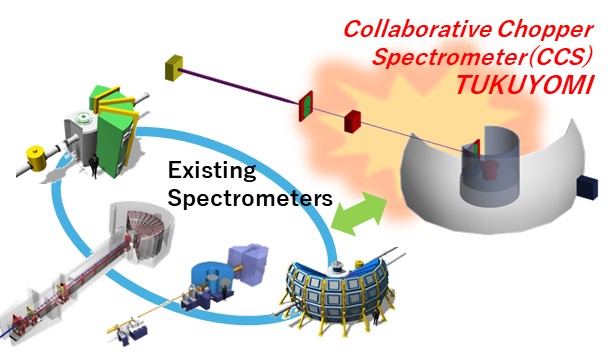
Here we show an initial and brief concept of our idea of TUKUYOMI, a collaborative chopper spectrometer (CCS). CCS is a concept of a chopper spectrometer designed to complement existing spectrometer with low-cost in construction and operation by compromising on functionality and performance under assumption of the existence of full-scall spectrometers. Therefore, CCS-TUKUYOMI is a complementary versatile chopper spectrometer in addition to current running instruments at MLF. TUKUYOMI is a smaller and simplified version of AMATERAS. TUKUYOMI is expected to calm down overheated users' demands and competition only by relatively smaller investment. Simplified sample environments and operation systems as well as ability of carrying out partial automated experiments are indispensable to reduce the human cost of member of staff of facility. We would like to propose TUKUYOMI as one of candidate instruments for the future plan of Materials and Life Science Experimental Facility (MLF), J-PARC to make the facility more productive and more accessible to larger number of users.
The European Spallation Source Spallation Physics Group (ESS SPG) supports the construction and operation of the facility through research and development in radiation transport, shielding design, material science, and radiation physics, with a particular focus on low‑energy neutron interaction modelling. In collaboration with the ESS Data Management and Scientific Computing centre and international partners, ESS SPG develops theoretical models, software tools, and experimental validation methods for materials relevant to neutron production, including moderators, reflectors, filters, and structural components. Recent work includes internationally adopted updates to neutron scattering models for beryllium, light water, liquid hydrogen and deuterium, as well as the development of flexible modelling tools for crystalline materials via NCrystal, resulting in significant contributions to the JEFF‑4 and ENDF/B nuclear data libraries. These models support improved neutron instrument performance, wavelength‑dependent transmission analysis, and the interpretation of experimental data.
In this work we summarize the latest work on the topic, with references to the specific developments and applications.
Since its early days, the Monte Carlo simulation software Vitess is operated with a graphical user interface. Recently, a new Python package has been developed which provides a programming interface that can be used directly in Jupyter notebooks or called from user-written code.
This poster shows the design of the Python API and its capabilities.
It provides usage examples, from the creation of a virtual instrument, over procedural modifications, to running simulations and plotting data.
During operations in Target Station 1 (TS1) of the ISIS neutron and muon source, the Target, Reflector and Moderator (TRaM) trolley became immobilised due to interference with stainless steel tunnel cladding within the Target Services Area (TSA). The resulting obstruction caused localised damage and prevented further trolley movement, requiring intervention in a highly constrained and radiation-contaminated environment with high residual radiation, where direct human access was not possible.
This work describes the rapid design, manufacture, and deployment of a bespoke remote handling cutting system to remove the obstructing cladding.
This project highlights key lessons in designing for remote intervention in high-radiation environments, including the importance of simplicity, modularity, and close collaboration between engineering and operations teams. Furthermore, the operational failure itself has highlighted problems in the trolley mechanism that requires addressing, in order to reduce the risk of the event reoccurring.
The exceptional properties of liquid helium make it a favorable medium for ultra-cold neutron production at neutron scattering facilities. In previous work, we presented a model for Monte Carlo simulations of neutron scattering in superfluid helium at temperatures up to approximately 1.3 K [1]. However, a complete description of neutron interactions in the material also requires a model for the normal phase at higher temperatures. Here we describe progress toward completing this description.
[1] R. Granada et al., Nuclear Inst. and Methods in Physics Research, A 1053 (2023) 168284.
Approaching 30 years of SINQ operation, the facility systems still contain many of the original components. These include three primary heavy water (D$_{\mathrm{2}}$O) loops and a light water cooling system. A total of 9.5 m³ of heavy water and 2.5 m³ of light water are circulated at mass flow rates of up to 15 kg/s to dissipate heat loads of up to 1 MW.
The circuits must be maintained to always ensure the safety and continuity of operations. However, replacing components before they break using a predictive maintenance strategy would expose personnel to preventable radiation doses without offering any significant operational or safety benefits. Therefore, the planned maintenance work focuses on safety valves and sensor calibration, while defects of other components are dealt with individually.
This poster provides an overview of the SINQ cooling circuits, as well as offering a glimpse into the maintenance work carried out on our valves, filters and sensors in recent years. Special attention is paid to the periodic replacement of the deuterated Ion Exchange Columns. Finally,some of the current challenges and improvement plans are highlighted.
European Spallation Source (ESS) is a multidisciplinary research facility built around the world’s most powerful neutron source. Primary water cooling system loops for Target station components—such as the moderator, reflector, shielding, and plugs—may contain activated impurities that originate primarily from corrosion. These impurities are removed by Ion Exchange columns filled with Amberlite IRN150 H/OH resin. Once a column becomes saturated, it is isolated and allowed to decay before the resin is replaced. Due to the accumulated activity in the resin, lead shielding is required around the Ion Exchange columns.
After sufficient decay, spent resin is transferred from the ion exchange columns into a lead shielded transport vessel. This is done by an air-driven vacuum ejector to obtain under-pressure in the lead shielded transport vessel. The columns are subsequently flushed prior to refilling. Fresh resin is supplied via the Resin Refill System, which uses vacuum transport to load the ion exchange columns, with the bag emptying station handling batches of 100 L of new resin. The system operates in sequenced batches and is controlled by a pneumatic and mechanical control system.
In this work, we demonstrate the effectiveness of new design equipment to empty and fill Resin Amberlite IRN150 H/OH in the Ion-Exchange columns using a pneumatic system. Key findings from commissioning are discussed, highlighting how the design addresses constraints related to the containment and handling of activated materials within the system.
POLANO is the chopper type spectrometer with a polarization analysis capability in the Materials and Life Science Experimental Facility (MLF), J-PARC. After several years spent for designing, manufacturing and construction of the spectrometer, it is commenced the beam commissioning and a part of user program with unpolarized neutron beam condition. Intensity, divergence, TOF beam profile measurements and direct imaging of the neutron beam were performed. Since POLANO is targeting high-energy polarization experiment, all its components are designed as optimizing for 100 meV of neutron energy. In particular, 4 $Q_{c}$ converging super mirror guide tube can effectively transport such a relatively high energy neutron to the sample position. Also, we are making our efforts to eliminate unintended contaminations. POLANO principal concept is to achieve higher-energy polarization analysis of inelastic scattering beyond a reactor-based neutron source. We target the transfer energy range over DE = 40 meV with using in situ SEOP (Spin Exchange Optical Pumping) for a polarizer and bender supermirror as an analyzer (phase I). We have now successfully set up all of the polarization components polarizer and analyzer system as well as magnetic systems. We could get reasonable results on, 1) 80% $^{3}$He spin polarization of the SEOP polarizer with 20 hours ramping up time, 2) good control of spin flipping at SEOP, 3) non-adiabatic magnetic continuities along entire neutron path, and 4) neutron spin analyze by bending super mirror analyzer system. The clear differences of neutron profile could be observed between spin-flip and non-spin-flip channel. In this presentation, the recent progress of POLANO instrumentation and on-going commissioning results of polarization analysis will be reported.
The commissioning of the high-power proton accelerator of the European Spallation Source (ESS) started in 2018 and it is ongoing in Lund (Sweden). During the multiple commissioning phases, a variety of beam destinations have been primarily used to safely absorb and dissipate the high-power proton beam.
This presentation will summarize the measurements and contributions to the commissioning of the ESS accelerator by means of the beam destinations that include: Faraday cups for [0.075, 75] MeV protons, insertable beam stops for [70, 250] MeV protons and a tuning beam dump for [800, 2000] MeV protons.
To meet the support requirements of a long-span acceleration device, a large-span precision adjustment bracket was developed. A double-layer adjustment scheme was adopted to satisfy the individual and overall adjustment needs of the acceleration device cavity. For ease of adjustment, the bracket was designed with four-point support, and the optimal support positions were determined through optimized calculations. By analyzing and comparing the deformation of different structural forms of the overall vertical motion plate, the optimized structure of the vertical motion plate was derived. The overall horizontal motion plate was made of thick plates to reduce the height dimension. Additionally, the independent support structure was subjected to verification analysis. Finally, the adjustment accuracy of the bracket was theoretically analyzed to ensure compliance with the adjustment requirements. Through the above analysis and calculations, the theoretical analysis and calculation of a large-span precision adjustment bracket were completed.
The European Spallation Source (ESS) is a next-generation neutron research facility currently under construction in Lund, Sweden. The rotating tungsten target wheel will be cooled by gaseous helium supplied by the Target Primary Cooling System (System 1010). During operation, the process helium will be continuously purified by the Target Primary Cooling Purification System (System 1015).
To prevent oxidation of target materials and minimise the potential release of radioactive isotopes, in particular tritium, stringent operational requirements have been imposed on the helium cooling loop. Contaminated helium inventory must remain fully confined, while the concentration of oxidising impurities (oxygen, carbon dioxide and moisture) must be maintained below 5 ppmV and the tritium concentration below 0.2 ppmw.
Leak-tightness verification of the cooling loop was performed during commissioning, confirming compliance with the specified allowable leak rate. However, continuous monitoring of contaminant concentrations during operation requires dedicated measurement capability.
For this purpose, the Target Primary Cooling Contaminant Measurement System (System 1017) has been developed as an auxiliary system connected to the primary helium cooling loop. The system incorporates instrumentation for measuring the concentrations of oxygen, carbon dioxide, moisture and tritium in circulating helium. In addition, it includes a gas sampling unit enabling the collection of representative helium samples for further analysis of additional contaminants, such as activation products (e.g. iodine-125), in the ESS Radiation Protection laboratory or external accredited laboratories.
This paper presents the design rationale of the measurement system, its key technical characteristics, selected engineering solutions adopted to ensure safe and representative sampling, and the planned operational strategy for contaminant monitoring during target operation.
The Target Safety System (TSS) is part of the overall radiation safety plan for the Neutron Factory in the European Spallation source (ESS). The system is designed to stop proton production if vital process conditions measured at the Neutron Factory exceed defined safety boundaries, with the potential to cause unacceptable radiation exposure to third parties (i.e., the public outside ESS).
The TSS is implemented as a three-channel, fail-safe safety system, consisting of independent sensors, a two-train redundant architecture based on relay and safety PLC technologies, and independent mechanisms for stopping the proton beam. This architecture ensures high reliability while supporting verification and validation activities.
The system is now approaching full test completion. In this work, we present results from successful system testing, including integration tests with interfacing systems, performed to the extent allowed by their availability. Particular focus is placed on how the system design supports efficient testing and staged integration.
ISIS Neutron and Muon source houses a solid methane moderator in the Target station 2, operational since 2009, includes pure aluminium foam to enhance cooling performance and neutron moderation efficiency. Pure Aluminium offers high thermal conductivity at cryogenic temperatures (Woodcraft, 2005) and a porous structure that increases methane contact area. The new moderator assembly consists of a plate heat exchanger sandwiched between aluminium foam and enclosed within a welded aluminium alloy shell. This study investigates three key aspects thermal performance and structural design:
(1) The impact of mechanical contact between the foam and the heat exchanger on thermal performance
2) The cooling improvements provided by the foam compared with an empty moderator volume
(3) The mechanical behaviour of the foam and shell under operating pressures.
Experimental tests will measure thermal behaviour with and without foam under varying internal gas conditions (evacuated, nitrogen filled) supported by controlled heating via a heating element. The Structural performance will be assessed through pressurisation cycles and burst testing. Finite element simulations have been conducted internally at ISIS for the strength of the moderator. Thermal ANSYS simulations will also be carried out on the moderator to assess the temperature variations across the various components of the moderator, time taken to achieve steady state heat flow, the temperature upon achieving this. All simulations will be compared to the physical tests.
The proposed experiments will inform us of the importance of contact between the heat exchanger and aluminium foam, and whether the introduction of poor thermally conducting material between these two components has an impact on the heat transfer. The mechanical tests will inform us on the failure pressure and mode in the heat exchanger and whether the foam provides any structural rigidity.
The MIRACLES instrument is the time-of-flight backscattering instrument of the ESS. This spectrometer is designed to provide a high energy resolution and flexible resolution for the study of the dynamics of molecules and atoms in biological systems, energy materials and other functional materials.[1]
The experimental station is a key system of MIRACLES, consisting of a concrete building (cave) and a control room attached. The cave has a threefold purpose: (i) it hosts the scattering system (vessel, analyzer, detectors) and the sample environment, shielding the radiation stemming from the sample and the scattering systems receiving the neutron beam, limiting the dose rate outside to operation levels; (ii) it shields the radiation from outside (skyshine, cosmic particles) from reaching the detectors; (iii) it is the main building for scientific activities, giving access to the sample position and the sample preparation areas.
Two main considerations define its design. On one hand, MIRACLES is the ESS instrument with the highest integrated flux on sample, and thus the radiation released by the sample and scattering characterization system will be higher than other ESS instruments. On the other hand, the MIRACLES cave is constrained by a restricted space envelope assigned. This envelope has determined the ground plan (corner-snipped rectangular), the shielding solutions in this wall (heavy concrete instead of normal concrete) and the layout of e.g. the sample preparation areas, utilities, etc,… Additionally, the use of heavy concrete to reduce the thickness of the walls, drives the weight of the cave beyond this floor load limit of 20 T/m2. To solve this issue, the first line of blocks (foundations) consists of extended blocks that increase the contact area with the floor. Therefore, the design of the experimental station has been a challenge with all these boundary conditions.
Neutronics calculations, carried out using MCNP6.2, using the nuclear data library ENDF-B/VIII for neutrons, except for cadmium isotopes, which used JENDL-5 neutron data libraries to account for prompt gamma emissions from cadmium. The JENDL-5 library was proposed because ENDF/B-VIII misses the formation of high-energy gamma photons in the neutron capture process by cadmium. In typical reactor problems, for which ENDF cross sections were developed, this limitation is not significant. However, it becomes critical in this calculation, as gamma generation varies significantly depending on the library. To validate the use of JENDL-5 instead of ENDF/B-VIII, we compared both libraries for cadmium isotopes. Several reaction cross sections were evaluated using MCNP6.2 and JANIS to ensure that both libraries align in shared cross-section reactions.
The detailed neutronics calculations were carried out on a detailed 3D design of the experimental cave. Additionally, the neutronics calculations had to consider the number of feedthroughs and their location for integration of electrical and utility infrastructure. The aim is to provide a maximum radiation dose of 1.5 µSv/h (including both neutrons and gamma photons) outside the cave, except for the sample access, considered a controlled area (maximum dose 12.5 µSv/h), conveniently fenced and linked to personnel safety and radioprotection systems to restrict access.
Three extreme scenarios were considered: (i) no sample (the incident beam directly hits the beam-stop, releasing gamma photons of high intensity through neutron capture); (ii) vanadium sample (the incident beam hits the sample which scatters neutrons in all directions and they prompt gamma photons all around the vessel) ; (iii) cadmium foil in the neutron beam path (the incident beam passes through a 1 mm Cd sheet before reaching the sample, producing high-energy gamma rays). These scenarios defined the boundary conditions for the final design of the MIRACLES cave.
Moderators are a key component of neutron sources, slowing neutrons produced in the target to energies suitable for materials science experiments. At large facilities such as the ISIS Neutron and Muon Source, once moderators are installed, modifications or troubleshooting become extremely difficult. Developing a dedicated local testing platform would allow moderators and associated systems to be evaluated prior to installation, while also enabling the development of new and innovative designs. Such a facility would support the advancement of complex subsystems, including cryogenics and diagnostics, helping to reduce technical risks, improve efficiency, and foster innovation.
This project proposes the use of the existing small-scale, 3MeV proton accelerator facility, the Front-End Test Stand (FETS) [1], located at RAL, Harwell Campus. A neutron source would be added at the end of FETS to create a Moderator Engineering Test Stand (METS). The proposed METS would include a shielded area containing a lithium layered target, a simplified reflector, and space for moderators, along with a diagnostic neutron beamline primarily designed for moderator imaging and resolution calibration.
The project is currently in the concept phase, where both the scientific performance and engineering feasibility are being investigated, alongside estimated costs and project timescales. This work focuses mainly on the engineering aspects developed so far, including concepts for the target, reflector and moderator (TRaM) system. It also considers key safety and infrastructure requirements such as shielding spatial constraints, and essential equipment including vacuum systems, cryogenics, services and plant. These initial engineering studies provide a foundation for further development, helping to assess the project’s feasibility, expected costs, and the key specifications required for the new facility.
[1] Letchford, A. et al. (2015) STATUS OF THE RAL FRONT END TEST STAND. In 6th Int. Particle Accelerator Conf. (IPAC’15), Richmond, VA, USA, May 3-8, 2015. https://doi.org/10.18429/jacow-ipac2015-thpf105
Since the shutdown of the ORPHEE reactor in 2019, France no longer has a national neutron facility to study the internal structure of materials. Currently, French scientists can still rely on the European source at the ILL in Grenoble, as well as on several facilities in Europe (ISIS, PSI…) or in the USA (SNS).
With the arrival of the new ESS source (SE), the shutdown of the ILL (in operation since 1971) has been announced, and the French community, yet one of the largest in Europe, will no longer have a facility on its own soil. The ICONE facility, based on a 25 MeV proton accelerator (HiCANS), should produce neutrons for 12 instruments around two targets and enable more than 300 experiments per year, complementary to those carried out at ESS (around 150 experiments per year for France at very high flux).
The APD phase has just been completed and has defined the expected performance, schedule, and cost. The first neutrons for users are expected in 2034.
The ESS target monolith consists of neutron production systems and shielding. Many of these components have a defined design life and will require periodic exchange and maintenance. Upon removal, these components must be transferred to the Active Cells Facility(ACF) for interim storage and/or further processing.
The components are designed to facilitate remote handling operations. This includes twist-lock lifting interfaces, rotation interfaces and a configuration of shielding that will allow access to specific monolith components when an exchange is due.
Shielded transport structures, known as casks assemblies, will be used to extract the shielding blocks and component plugs from the monolith via internal hoists.
The cask design and operation plan has evolved through the years, and the final solution consists of 7 unique casks assemblies performing, in total 24 different lifts. Shielding blocks must first be removed to gain access to the target components, requiring temporary storage within the ACF. The operation requires on and off-loading, and remote repositioning within the ACF.
This paper describes how accompanying fixtures within the ACF are being developed to enable cask operation and address the logistical challenges.
At the European Spallation Source (ESS), the Moderator Reflector Plug (MRP) in the target station features a unique geometry integrating cold and thermal moderators to optimise neutron brightness across multiple beam ports. Water is used as a pre-moderator surrounding the moderator piping. This complex configuration introduces design challenges, including closely spaced hydrogen and water pipes, couplings in both vertical and horizontal regions, and local voids along the piping. These features increase the risk of water freezing in the pre-moderator in the absence of sufficient water flow.
As these characteristics are intrinsic to the MRP design, a systematic assessment of the freezing risk was performed. However, in late 2025, an unplanned loss of water flow in the Primary Water Cooling System supplying the thermal moderator—caused by a voltage-drop in the external grid—led to severe damage to the moderator, exceeding the previously evaluated consequences.
In response, several mitigation measures are being implemented to eliminate the risk of water freezing under both normal and off-normal conditions, including scenarios involving loss of complementary power. This contribution presents the required modifications to the Primary Water Cooling System to ensure reliable and continuous water circulation. In particular, a fully passive, gravity-driven solution is described in detail, providing enhanced robustness and safety for MRP operation.
ISIS-II, the proposed successor to the UK’s pulsed neutron and muon source, has been baselined with two newly-designed spallation targets [1]: An 800 kW, high-brightness stationary target (TS-II). And a 1.6 MW, high-resolution rotating target (TS-I).
Research highlighted decay heat as the key limiting factor for the former and rotational inertia or complexity for the latter. This work showcases the details of the optimisation procedures applied to various aspects of the targets designs, including selecting the number of target plates, target segments and cooling conditions. A combination of numerical models and theoretical calculations were employed to assure design reliability and to compare with international institutions.
$^1$Katherina Gelborova, $^1$Steven Lilley
$^{1}$ ISIS Neutron and Muon Source, Science and Technology Facilities Council, Rutherford Appleton Laboratory, Didcot OX11 0QX, United Kingdom
Self-powered neutron detectors (SPNDs) have been a reliable choice for the mapping and monitoring of neutron flux in fission reactors for their compactness, simplicity and robustness compared to other in-core detectors. They do not require a power supply, as the signal current arises from the movement of electrons produced in the SPND by incident neutrons and gamma rays. There is a prompt part of the signal, which is mainly due to either neutron-capture gamma rays or gamma radiation from the environment causing the emission of photoelectrons, Compton electrons and pair-production electrons. There is also a delayed component of the signal that saturates with time, mainly from the beta-decay of neutron-activated products in the SPND. The detector materials are often selected to optimise one of these signal-producing processes.
Recent research in this area has looked at evaluating the suitability of commercial SPNDs to the neutron and gamma spectra of fusion and accelerator neutron sources. As these sources have higher energy neutron spectra than fission reactors, the proportions of the different signal components may be very different, or a sufficiently high sensitivity may not be achievable at all. At the ISIS Neutron and Muon Source, installing SPNDs in the target, reflector, and moderator assemblies (TRaMs) could provide more direct monitoring of the proton beam flux, pulse shape and position. The neutron spectrum in the ISIS TRaM goes up to around 800 MeV, with a peak flux for neutrons with energy on the order of 100 keV, and a total flux on the order of 10$^{13}$ n/cm$^2$/s. A neutronics investigation of the expected detector response is required to assess whether implementing SPNDs at ISIS would be a useful project.
Goldstein developed a method for Monte Carlo SPND analysis using the MCNP neutronics code, which has since been used and developed extensively. In this work, the transport simulation steps are modified to use the CERN FLUKA code to model SPNDs in the ISIS TRaM, but the subsequent steps for calculating the detector sensitivity from the simulation results are kept the same. By evaluating the sensitivity with several common SPND material combinations, and varying geometric parameters, the suitability of such a detector to the ISIS radiation field can be understood.
Boron Neutron Capture Therapy (BNCT) is an advanced radiotherapy technology that uses the specific reaction between boron atoms and thermal neutrons to selectively kill tumor cells, featuring strong targeting and low damage to normal tissues. This paper details the design and commissioning work of the low energy beam transport (LEBT) and high energy beam transport (HEBT) sections of BNCT02, the second BNCT accelerator developed by the Institute of High Energy Physics, Chinese Academy of Sciences. The beamline is used to stably transmit the proton beam from the ion source to the neutron production target, with the beam power on the target reaching 40kW. During the design phase, structural parameters of LEBT and HEBT were optimized through systematic beam dynamics simulations, focusing on solving key issues such as beam envelope control, inter-stage matching, emittance growth, and beam loss suppression. During the commissioning phase, relevant tests and adjustments were performed on beamline components and beam parameters, including beam position calibration, focusing strength optimization, and transmission efficiency verification. The commissioning results show that the transmission efficiency of the LEBT section is close to 80%; within the CT error range, the beam transmission efficiency of the HEBT section reaches 100% with almost no beam loss. In addition, the beam spot size on the target (close to 150×160mm) and density distribution also meet the physical design requirements. The beamline design has good stability and reliability, providing solid technical support for the stable operation of the BNCT02 accelerator and the subsequent clinical application of BNCT.
Reliable and efficient tools are required to estimate radioactivity induced by high-energy particles in Spallation neutron sources, such as the European Spallation Source. As a first step toward the development of such tools, a radiation transport code must be selected and validated. To that end, the Particle and Heavy Ions Transport code System (PHITS) is proposed and evaluated against experimental data in the Spallation reactions range from 0.4 to 3 GeV. In this study, activation, nuclide yields and neutron production calculated with PHITS 3.35 are compared with experimental results [1], [2], [3] and previous evaluations made using other transport simulation codes. General agreement is found between calculated and experimental data in most cases. However, a clear trend for underestimation is identified in activation calculations. Possible explanations for these differences are explored, including nuclear data for low energy neutrons, physics models and decay calculation data libraries.
[1] Kasugai, Y., Kai, T., Maekawa, F., Nakashima, H., Takada, H., Konno, C., Numajiri, M., Ino, T., & Takahashi, K. (2004). Measurement of radioactivity induced by GeV-protons and spallation neutrons using AGS accelerator. JAERI-Research.
[2] Laird, C. E., Mullins, D. H., McGibney, D. B., Swartz, J., Kamau, R. W., Snead, C. L., Zucker, M. S., Ward, T. E., Franz, E. M., & Greene, G. A. (1998). Activation by Protons in Range-Thick Lead and Tungsten Spallation Targets. Nuclear Science and Engineering, 130(3), 320–339.
[3] Matsuda, H., Meigo, S., & Iwamoto, H. (2018). Proton-induced activation cross section measurement for aluminum with proton energy range from 0.4 to 3 GeV at J-PARC. Journal of Nuclear Science and Technology, 55(8), 955-961.
Hot cells, which are shielded containment chambers for handling radioactive materials, play a critical role across the nuclear sector. They support activities in nuclear power generation, neutron source facilities, nuclear medicine, and scientific research. Although hot cells have traditionally been static structures equipped with lead glass viewing windows, mechanical remote handling systems, and optional glovebox ports, recent advances have enabled modern mobile and fully windowless designs that incorporate sophisticated robotic telemanipulators.
The European Spallation Source (ESS), now under construction in Lund, Sweden, represents a significant step forward in this evolution. The ESS facility will house the largest windowless hot cell in the world, with a volume greater than 4000 cubic meters. It is designed for the remote processing and storage of highly radioactive waste reaching intensities of up to 1000 Gy per hour. Because the radiation levels render the environment completely inaccessible to humans, the design gives equal emphasis to both remote operation and remote maintenance of all equipment within the facility.
To fulfil its radioactive waste handling requirements, the ESS hot cell incorporates cranes, robotic manipulators, diamond wire cutting machinery, shielding equipment, environmental monitoring devices, and an advanced low latency viewing system that supports human in the loop remote operation. A bespoke supervisory control system has been developed to integrate information and functionality across all equipment in a unified manner. This system includes the use of virtual reality to enhance operator immersion, situational awareness, training, and precision during remote handling tasks, providing a safer and more intuitive interface for complex operations within the fully inaccessible environment.
The POLI instrument at FRM II is dedicated to carrying out experiments with polarised neutrons. Before being scattered at the sample, the neutron beam passes through a polariser. After scattering, the direction of spin polarisation can be analysed. In recent years, new polariser and analyser units have been built for an upgrade of POLI, which polarise the neutrons in situ, and will replace the earlier devices. However, compared to the previously used devices, the polarisation direction of the neutrons has changed. With the old configuration the Field was longitudinal and with the new configuration of the 3He- Polarisator there is a transversal field which is adapted by the new nutators. As before, they can be used to manipulate the direction of the spin polarisation of the neutrons after they have passed through the polariser and before they pass through the analyser. Rotatable, motor-driven Halbach ring arrays comprising NdFeB permanent magnets adiabatically rotate the field into the desired direction. It will be investigated if the new nutators show an increased field uniformity in the cryo- pad area as the old nutators. Both nutators have a modular design for greater adaptability to this and other applications: individual rings with permanent magnets can be removed or added to adapt the length of the device to a specific instrument.
The poster will feature details on the design of the nutators and their magnetic characterisation.
Due to the worldwide scarcity of the extremely rare isotope helium-3 and its high procurement costs, it is economically reasonable to recycle contaminated gas from discarded detectors.
Therefore, we are frequently faced with the task to clean and to reuse this gas for the construction of new detectors or to recondition the gas within existing detectors in order to maintain long term measurement quality.
Typically, the detectors are filled with a gas mixture consisting of 75% helium-3 and 25% tetrafluoromethane (CF4) at an absolute pressure of approximately 4 bar.
Over the course of operation, however, undesired gaseous contaminations, for example due to desorption from the detector surfaces, due to contamination during gas refilling procedures or due to activation induced by neutron irradiation lead to a degradation of the detector performance.
To address this issue, a setup was designed and constructed enabling the purification of helium-3 detector gas from existing detectors as well as the recovery of helium from any gas mixtures of unknown purity for subsequent reuse.
The design of the system was optimized to both minimize the total pipe volume and to provide a helium leak tightness better than 1 × 10⁻⁸ mbar l/s. In addition, emphasis was paid to high robustness and operational safety.
Furthermore, the system allows for precise quantitative in-situ gas analysis by means of a quadrupole mass spectrometer. The purification unit consists of a three-stage cryogenic trap. The first and second stages are cooled by LN2 (77K), the third one by LHe (4.2K). When the gas flows through the first LN2-cryogenic trap without an adsorber, the majority of the CF4 is frozen out. The second LN2 cryogenic trap is filled with activated carbon and, due to its large surface area, is intended to bind the atmospheric oxygen contained in the gas. The LHe-cold trap, the last stage, is needed to remove all impurities below 77K. Experiments showed that high gas purities could be achieved corresponding to a final contamination level of less than 10 ppm for all impurities with condensation temperatures above 5K. However, it is not possible to separate helium-4.
After being purified the helium-3 can be compressed with negligible losses into external storage vessels up to a maximum pressure of 15 bar by means of a membrane compressor.
The poster describes the technical implementation of the helium-3 recovery system, the gas purification process, and the results of the performed gas analyses.
STUMM-PROTO is a full-scale pressurised and instrumented vessel developed to validate thermal and instrumentation experiments for the STUMM programme. ESS-Bilbao led the mechanical design and fabrication control of the pressure vessel in accordance with RCC-MRx rules for an N3Rx component. The work included the development of three dedicated FEM sub-models (Container + Lower Attachment; Upper Attachment + Cover; Frame), the definition of representative thermal and vacuum load cases (operation: 2.3 bar(g), 320 °C; vacuum: −1 bar(g), 320 °C; maximum allowable/overpressure up to 3.15 bar(g); pressure test at 4 bar(g)), and the full verification of P-type (membrane and membrane plus bending), S-type and buckling criteria in compliance with RCC-MRx. The design addressed the significant manufacturing challenge posed by 2 mm wall thickness and continuous TIG welds required for N3Rx pressure retention.
A comprehensive and high-fidelity FEM assessment was carried out to rigorously demonstrate compliance with RCC-MRx requirements, with particular focus on the superimposed bolted square-flange assemblies located in the upper part of the component. The geometric configuration of these interfaces leads to non-uniform bolt load distribution and local stress superposition effects arising from flange interaction and preload redistribution. These phenomena were explicitly captured through detailed 3D modelling, bolt-load extraction and stress linearisation along critical paths. The results demonstrate that the combined membrane and membrane-plus-bending stresses remain within allowable limits, confirming full compliance with RCC-MRx requirements for an N2Rx pressure-retaining component, even under the most demanding load combinations.
To overcome severe manufacturing constraints, the design introduced an innovative production route that avoids the need for electro-discharge machining (EDM/wire-EDM) for key features. This was achieved through a joint design-for-manufacture process with the manufacturer, involving iterative design refinements (including groove-and-tongue reductions and bolt pattern adjustments) and the definition of welding and inspection specifications formalised through ITP/WPS documentation and change notices. This collaborative approach enabled conventional machining and welding processes to meet the component’s critical assembly tolerances — including bolted-joint concentricity and sealing surfaces — without resorting to EDM, thereby preserving material integrity and simplifying post-weld finishing operations.
Finally, the manufactured component underwent an extensive validation campaign including pressure testing, helium leak testing, vacuum testing and thermal cycles up to 320 °C. The experimental results were fully consistent with analytical predictions and confirmed the structural integrity, leak-tightness and thermal performance of the STUMM-PROTO vessel.
The European Spallation Source (ESS) is a next-generation neutron research facility currently under construction in Lund, Sweden. Its rotating tungsten target wheel will be cooled by gaseous helium supplied by the Target Primary Cooling System (System 1010). During beam operation, spallation reactions will generate both gaseous and particulate radioactive contaminants, while locally increasing the temperature of tungsten bricks to values approaching 500 °C (at the nominal beam power of 5 MW). Maintaining high helium purity is therefore essential to prevent oxidation of target materials and to ensure that the concentration of radioactive isotopes, in particular tritium, remains within specified operational limits.
To remove particulate contamination, System 1010 incorporates a high-efficiency filter assembly located downstream of the target wheel. This filter includes multiple cartridges with nominal ratings of 5 µm and 1 µm. However, the removal of sub-micron particles, oxidising impurities, and tritium requires a dedicated purification solution.
To address this need, the Target Primary Cooling Purification System (System 1015) has been developed as an auxiliary system connected to the primary helium cooling loop. The project was initiated in 2014 and the system was installed in 2024. It is designed for continuous purification of a helium side-stream flow of approximately 2 g/s. System 1015 consists of two gas purifiers incorporating chemical getters and ultra-fine filtration elements with nominal retention capability down to 3 nm, together with a dedicated valve and instrumentation panel enabling safe integration, operation and maintenance.
Preliminary functional tests with dummy gas purifiers were successfully completed in 2025. Installation of the real gas purifiers is planned for Q3 2026, followed by the remaining verification and performance validation activities. Full purification commissioning is foreseen shortly after Beam on Target, when the circulating helium inventory will begin to contain radioactive contaminants.
This paper presents the design rationale of System 1015, key technical characteristics, selected engineering solutions, verification activites, and the planned operational strategies for helium purification during target operation.
Background reduction is critical for achieving high signal-to-noise ratios in neutron scattering instruments, yet mitigation strategies have historically relied on empirical practices and accumulated experience rather than on systematic, quantitative analysis. Instrumental background typically arises from multiple interacting sources associated with shielding, structural components, and the experimental environment, making its characterisation particularly challenging.
This work presents initial steps towards the development of a rigorous and reproducible framework for background analysis and engineering, motivated by the current and future instrument needs at the European Spallation Source (ESS), which is preparing to commence operations in Lund, Sweden.
A simplified instrument cave is employed as a controlled test case to isolate fundamental background mechanisms and to investigate the effects of different shielding configurations and material choices. Several commonly used design concepts are assessed using both monoenergetic neutrons and broad energy spectra representative of spallation facilities.
Although the present results are not intended to optimise a specific instrument, they establish a foundation for the systematic testing, decomposition, and quantification of the "tribal knowledge" commonly applied in neutron instrument design. Future work will extend this methodology to more realistic geometries and to targeted experimental validation in collaboration with the ESS instrument teams.
At the European Spallation Source (ESS), maintenance activities on components cooled by the Primary Water Systems—such as the moderator and reflector plug, proton beam window, monolith inner shielding, and monitoring plugs in the Target Station—require complete draining and drying of cooling circuits. This is essential to prevent personnel exposure to activated water during component replacement, leak testing, and handling of components designated as radioactive waste.
The system design addresses the controlled handling of activated water by preventing leaks and spills, maintaining full containment, and enabling water recycling. As an advantage, drained water is collected in dedicated drainage tanks and can be reused. Moreover, during drying operations, potentially contaminated air displaced by the vacuum generation system is routed to the Target Station HVAC off-gas system to ensure safe containment.
Due to the low elevation of components within the monolith vessel, effective draining and drying requires the use of a vacuum pump combined with the injection of air or instrument air to evacuate water in the pipes and components. The process can be performed in three stages, depending on the required level of internal dryness: (1) gravity draining, (2) vacuum-assisted evacuation and air blowing, and (3) active drying. Active drying is implemented using two dedicated programmes: one for drying plugs and another for drying cooling pipes. Under normal maintenance conditions, only plug drying is required. This is achieved using dry instrument air at a vacuum level of approximately 160 mbar. For cases requiring drying of cooling pipes, a pulsed drying sequence with lower pressure and higher airflow can be applied. This approach is more effective at removing standing water pockets.
The drying system is designed for rapid operation and is equipped with dew point measurement instrumentation to monitor and verify drying performance. The effectiveness of the overall design and operational concept is demonstrated through dedicated system tests.
The European Spallation Source (ESS) is advancing towards full operation, with detector system development playing a central role in instrument readiness. This work presents the validation and integration of the neutron detection system for MIRACLES, the time-of-flight backscattering spectrometer at ESS. The MIRACLES detection system uses position-sensitive He-3 tubes arranged in resistively coupled U-shaped doublets. Experiments were performed at the Source Testing Facility at Lund University, where the full detection chain was operated and validated for the first time. Dedicated firmware was developed and successfully deployed, enabling end-to-end readout of the complete detector and DAQ system. Several performance aspects were characterized: position sensitivity was evaluated along the tube length using two resistor configurations and varying HV bias settings; pulse-height spectra were measured as a function of cable length between detectors and preamplifiers, providing practical guidance for the final installation layout. These measurements provide a comprehensive characterization of the detection system prior to installation at ESS, ensuring that the detector and readout chain are verified and commissioning-ready.
The Spallation Neutron Source (SNS) at Oak Ridge National Laboratory is a world-leading pulsed neutron facility supporting a broad range of research in materials science, chemistry, biology, and engineering. To address emerging scientific challenges and expand the capabilities available to the neutron science community, the Second Target Station (STS) project is developing a next-generation neutron source optimized for high-brightness cold neutrons which will be constructed at the existing SNS site. The recent Proton Power Upgrade project at SNS upgraded the SNS accelerator capabilities to be able to deliver 1.3 Gev protons with an average power output of 2.8 MW. The STS will complement the existing first target station by diverting one quarter (15 out of 60 pulses per second) of the SNS accelerator beam to a new target system where neutrons are produced via spallation and moderated to long wavelengths suitable for experiments requiring high sensitivity, small sample volumes, or extended length scales. These capabilities will support research in soft matter, biological systems, quantum materials, and energy technologies.
The Ring-To-Second-Target (RTST) beam transport line will extract proton pulses from the existing First Target Station (FTS) beamline with a repetition rate of 15 Hz and transport them to the new Second Target Station. The key requirements for the RTST system are: (1) transport a 1.3 GeV proton beam to the STS target while meeting beam position tolerances and nominal spot size specifications at the target; (2) maintain uncontrolled beam loss below 1 W/m throughout the transport line for serviceability; (3) operate without degradation of existing FTS capabilities; (4) support 5000 hours of STS operation per year; and (5) wherever practical utilize scaled implementations of existing SNS design concepts and components while implementing lessons learned from ~20 years of SNS operations.
The design of the RTST is currently in its final stage. The STS project is preparing for a combined CD-2/3 DOE Office of Science review to establish the project baseline and obtain approval to execute construction. Equipment procurement is planned to begin in early 2027.
This paper provides an overview of the design of the RTST.
In order to address the demand for smaller samples and increased experimental availability from pulsed-source time-of-flight neutron spectroscopy instruments, we have developed the concept of symbiotic spectrometers for the European Spallation Source. Spectrometers in symbiosis share a single beam port and neutron guide, each utilizing independent parts of the extracted phase space.
Njord is a broad-bandwidth crystal-analyzer indirect-geometry spectrometer utilizing nested mirror optics for ambitious small-sample spectroscopy. Remora is a crystal-monochromator direct-geometry spectrometer leveraging principle- and higher-harmonic scattering repetition-rate-multiplication to produce useful experimental conditions from otherwise unused neutrons. Together they enable more and more-ambitious measurements in cold neutron spectroscopy, especially with very small samples, weak signals, or demanding sample environments.
Njord & Remora have been proposed for the ESS Instrument Roadmap, and their details plus how you can support the proposal will be presented.
The ISIS Endeavour programme is a mix of new and upgraded neutron and muon instruments at ISIS. Some instruments are completely new such as WISH-II, whilst others are upgrades ranging from minor changes to completely rebuilding large parts of the instrument such as HRPDX. The majority of the neutron instrument projects in the Endeavour programme include requirements for radiation shielding either to protect people and/or to reduce backgrounds.
New build instruments are an opportunity to ensure the shielding is not only fit for purpose but to also consider cost, environmental impact and longer-term reuse and disposal considerations. As an example, for both WISH-II and MUSHROOM instruments a common shielding design was used reducing design costs. We can follow the shielding design process from simplified simulation models focusing on bulk thickness to more detailed models considering penetrations and tolerance gaps. From this we can demonstrate how the shielding meets the dose requirements for the halls to remain supervised areas (<7.5 µSv/h) and that doses are As Low As Reasonably Practicable.
Upgrades have different challenges to new build instruments as there are more constraints such as space, interfacing with remaining parts of the instrument and limitations on materials. Additionally with an old facility such as ISIS the CAD models may not exist or may not match the real facility. There are also past dose rate surveys of the existing instrument and more often the shielding requirement for these projects is to match or improve the external dose rate. In the Sandals-II project space was heavily constrained. The design for the front of the instrument already exists and there are existing CAD models which are often very detailed compared with the new design areas. This resulted in a mismatch in the level of detail in the simulation model at the interface between the old and new design. This increased the complexity of the analysis and interpretation of results.
In this work, we describe the shielding design process at ISIS for the Endeavour programme from scenario definition, to concept design through to final design. We explain the tools used particularly best practices for the use of CAD conversion software. These developments provide a more efficient and traceable shielding design workflow, enabling faster and more reliable shielding analysis for ISIS instruments.
The High Brilliance Neutron Source (HBS) project involves the development of a next-generation neutron research facility based on new concepts and recent technological advancements. Unlike other facilities, it does not use fission or spallation but instead uses low-energy nuclear reactions in a compact assembly.
A prototype of the HBS Target-Moderator-Reflector (TMR) assembly has been designed, built and tested at the JULIC Neutron Platform in the Big Karl experimental area of the Cooler Synchrotron (COSY) at Forschungszentrum Jülich. This assembly enabled scientists to perform tests and develop target handling, moderator systems, target cooling systems and biological shielding.
The HBS prototype target, the thermal moderator and the reflector are surrounded by approximately 1 m of multilayer shielding. This consists of several layers of lead and borated polyethylene with a suitable support structure.
The main focus in this presentation is on the challenges and experiences encountered during the development, manufacturing and assembly phases. Lessons learned from the installation and commissioning of the shielding and shielding gates will be presented.
Finally, the next steps in the project and the planned transfer of the target station to ESS Bilbao will also be discussed.
Over the last years, High-Current Accelerator-driven Neutron Sources (HiCANS) have attracted increasing interest and represent a promising option for the next generation of neutron sources. The High Brilliance Neutron Source (HBS) project, developed by the Jülich Centre for Neutron Science at Forschungszentrum Jülich, aims to provide an efficient HiCANS for various scattering, analytical and imaging applications in science and industry.
The shielding of the HBS-prototype target station has been developed and optimised with three key objectives: keeping the dose rates in the monitored areas of HBS well below the radiation protection limits, minimising background radiation from neutrons and gamma to ensure measurement sensitivity and reducing material activation to minimise decommissioning waste.
Neutron dose rates were measured at the JULIC neutron test platform, which was designed to test key components of the HBS. Additionally, dose rates obtained from Monte Carlo simulation using the PHITS code were found to agree reasonably with the experimental values. It demonstrates the effectiveness of the multilayered shielding of the target station design for HBS.
An analysis of the neutron dose rate distribution in the experimental hall will be presented. The dosimetry experiment and subsequent analysis, as well as the comparison with the measurements and Monte Carlo simulation, will be discussed.
Installation of Mercury Shutters at LANSCE
Melvin Borrego (Operations Manager LFO-EXP)
As part of a long-term modernization effort at the Los Alamos Neutron Science Center (LANSCE), the MARK-III target of the 1L Target system was replaced in 2022 with a new design, creating a unique opportunity to upgrade legacy beamline shutters unchanged since 2002. This effort enabled replacement of hydraulically driven mechanical shutters on Flight Paths 12 and 13, previously located downstream of the bulk shield in Experimental Room 1 (ER1). Because the original shutters were positioned externally to the bulk shield, closed-shutter surveys resulted in elevated dose rates within ER1. The installation of two mercury shutters inside the biological shield significantly reduced dose rates and improved overall radiological conditions. The project was completed through detailed planning, rigorous radiological controls, mercury transfer operations procedures and while executing safe forklift, crane and Mechanical Material Handling operations involving activated/hazardous components, without injuries or safety incidents. This enabled us to establish a standardized approach for future mercury shutter installations at LANSCE.
Neutron beamlines at spallation sources are exposed to a broad spectrum of neutron energies, from thermal to several hundred MeV, yet no single material can simultaneously moderate and capture neutrons across this entire range. Additive manufacturing offers a route to overcome this limitation by enabling the combination of complementary absorber materials into geometrically tailored, beamline-specific shielding components. The objective of this study was to develop composite filaments enabling attenuation and capture of thermal and fast neutrons, and employ them to print shielding structures for neutron beamlines. Here, we will present the implementation and characterization of a collimator specifically designed for the time-of-flight neutron diffractometer beamline POLDI at the Swiss Spallation Source SINQ. Background measurements at the sample table 12 m away from the collimator demonstrate a reduction of fast and epithermal neutron flux of approximately 20%, while the thermal neutron flux remains unaffected. These results demonstrate the capabilities of absorber-loaded filaments for additive manufacturing, enabling beamline-specific shielding components.
Please see the attached document for abstract
The joint project 99MoBest explores a reactor-independent, accelerator-driven approach for the large-scale production of Mo-99. Its daughter nuclide, Tc-99m, remains the most widely used radionuclide in the field of diagnostic imaging. This project seeks to demonstrate the feasibility of weekly production rates of up to 2400 Ci of Mo-99 through neutron capture on remotely exchangeable molybdenum targets, tailored to the use case of the proposed High-Brilliance Neutron Source at Forschungszentrum Jülich, driven by a 100 mA pulsed 70 MeV proton linac.
This contribution presents a concept for an automated molybdenum target exchange system, enabling remote transfer between the target assembly and a hot cell. To validate operational sequences and control strategies, a Software-in-the-Loop simulation, built on a digital twin of the complete system, was developed. Furthermore, the role of digital twins in high-radiation environments is emphasized, and their applicability not only during the conceptual design phase but also throughout subsequent stages of the project lifecycle is illustrated.
A liquid mercury target system for the pulsed spallation neutron source is in operation at the Materials and Life Science Experimental Facility (MLF) of Japan Proton Accelerator Research Complex (J-PARC). During the operation, mercury itself act as a coolant and circulates through the system consisting of the target vessel, heat exchanger and pump to remove the heat from the high-energy proton beam injection. In May 2024, the MLF achieved its operational goal of 1 MW at 25 Hz for two months in user operation. During the FY2024 summer outage period, in addition to the routine damage inspection of the beam entrance portion of the used target vessel by target cutting, the pump in the mercury circulation system was replaced by remote handling for the first time due to a decrease in insulation resistance. Replacement work was completed successfully, however, after resuming operation, we found the tiny leakage of radioactive gas from the 150A pump flanges. The issue was solved by replacing the metal seal of flanges again by optimized procedure based on mockup tests with suspending user operation.
In the presentation, details of the pump replacement work and optimization of the procedure for the metal seal replacement by remote handling will be reported.
The remote handling system (RHS) serves as a critical component of the target station and a key guarantee for the safe, stable, and efficient operation of the China Spallation Neutron Source (CSNS) facility. Since the formal operation of CSNS in 2018, the RHS has maintained robust overall performance, successfully executing a substantial volume of remote handling tasks for various maintenance objects at the target station, including targets, shutter inserts, PBW and ion exchange resins, etc.
This report commences with a comprehensive summary of the RHS's operation and maintenance (O&M) experience, coupled with an analysis of encountered challenges. Subsequently, it presents the technological progress achieved in the CSNS-II Phase II project, focusing on the upgrade of the RHS for the 500kW target station enhancement and the development of a new remote handling system for the new muon source target station. Finally, the report delves into the cutting-edge research and development (R&D) of key core technologies/equipment, as well as the construction of the Post-Irradiation Examination (PIE) platform. These endeavors aim to provide robust technical support for the safe and reliable operation of future high-power target stations, facilitating the further advancement of the CSNS facility.
This paper provides an overview of the ESS Active Cells (the ESS rad-waste processing facility) and an update on the installation and commissioning progress. It introduces the systems engineering approach and the progressive testing which has been utilized to de-risk the final system integration.
We present an update on the design of VESPA, the neutron vibrational spectrometer of the European Spallation Source (ESS) [1]. VESPA is a broad-band indirect-geometry spectrometer designed to measure molecular vibrations and address a wide range of research areas highly relevant to society and industry, such as renewable energies or catalysis. The large neutron flux of the ESS will enable VESPA to routinely perform in-situ experiments, as well as experiments requiring complex sample environments, such as gas flow cells. It will also allow to routinely measure novel materials that are only available in limited quantities.
VESPA will give access in a single ESS pulse to an extended energy transfer range, 0–1000 meV [2]. It will provide a large neutron flux in the low energy region, < 85 meV, and in the so-called “fingerprint region” of the spectra, 60–220 meV. This is achieved by the combination of a direct view of the ESS thermal moderator, partial view of the cold moderator, and the presence of a supermirror guide with elliptic profile and with high m-values, m = 3.5–5. Three high-speed double disc choppers in optically blind configuration will allow to divide the long ESS pulse into three subframes and to flexibly control the primary spectrometer energy resolution contribution from 0.5% to 2.5% of the incident energy, thus allowing to trade neutron flux for resolution depending on the scientific requirements.
The secondary spectrometer of VESPA is constituted of 16 spectroscopy modules, 4 diffraction banks in backscattering and equatorial positions, and a transmission monitor. Each spectroscopy module is constituted of a focusing analyzer made of highly oriented pyrolytic graphite crystals, a cryo-cooled beryllium filter, and an array of high-pressure 3He position sensitive detectors [3]. The design of the spectroscopy module has recently been updated to reflect the concept proposed for TOSCA+ [4] and further increase the solid angle coverage of the secondary spectrometer up to 7.0 sr.
[1] VESPA at ESS: https://europeanspallationsource.se/instruments/vespa
[2] M. Zanetti et al., Phys. B: Condens. Matter 562, 107-111 (2019).
[3] M. Zanetti et al., J. Surf. Invest.: X-Ray, Synchrotron Neutron Tech. 14(S1), S242-S250 (2020).
[4] A. Perrichon et al., NIM-A 1047, 167899 (2023).
The ICONE (Innovative COmpact NEutrons facility) project of a French High-Intensity Compact Accelerator-driven Neutron Source (HiCANS) is aimed at delivering an instrument suite for the French scientific community at the 2035 horizon. ICONE will produce moderated neutrons in the energy range of < 200 meV, making them suitable for use on neutron scattering instruments. A major challenge is the design and optimisation of instruments to make full use of the time-of-flight flux. To address this, digital twins of the instruments are developed using advanced simulation tools to support performance prediction, optimisation, and virtual experiments.
FANTASTIC is an indirect geometry ToF (Time-of-flight) spectrometer, meaning that the incident beam is polychromatic and the energy discrimination is made by a set of analysers placed after the sample. A total of 30 analyzers is foreseen with tunable take-off angle to select a range of final wavelengths. This allows to access a large (ħω, Q) space. A detailed digital twin of FANTASTIC has been implemented in McStas to evaluate and optimise instrument performance. The calculated energy resolution (FWHM) is in the range of 0.15meV (elastic) and 1 meV at ΔE=20 meV. The elastic Q-resolution lies between 1-4%.
Dedicated data-reduction workflows have been developed to treat the large volumes of ToF event data produced by such instruments. These routines, based on tools such as SCIPP, process NeXus data to compute (ΔE, Qx, Qy, Qz) and support both powder and single-crystal measurements with UB-matrix handling.
FANTASTIC is designed to tackle a wide range of scientific challenges, from frustrated magnetism and exotic magnetic structures to superconductivity, correlated materials, and lattice dynamics. The instrument performance has been benchmarked against measurements from IN8@ILL and simulations of BIFROST@ESS. We will present the instrument design, digital-twin methodology, guide optimisation, resolution characterisation, and benchmarking results.
Quasi-elastic neutron scattering (QENS) provides atomic-scale temporal and spatial information about diffusion, rotation, and other slow dynamics in systems ranging from catalysts to energy materials to living cells. On the other hand, it is highly limited by flux, particularly when applied to small samples (e.g. proteins or other biomolecules) or weak scatterers (e.g. Li+ or Na+ motions in battery materials). The data analysis is furthermore often complicated by the coexistence of coherent and incoherent scattering in the spectra. SHERPA is a design concept for an indirect geometry time‑of‑flight spectrometer at the ISIS Neutron and Muon Source that will combine high count-rate QENS capabilities with polarization analysis, which permits the separation of the coherent and spin-incoherent components of the neutron scattering cross section. The high count rate of SHERPA is achieved through the combination of a modern double‑focusing elliptical neutron guide and a secondary spectrometer that exploits the prismatic effect of the analyzer crystals and a novel time-focusing geometry. The proposed design delivers at least an order‑of‑magnitude gain in count-rate compared with existing instruments at ISIS, alongside a moderately high energy resolution ($\Delta E=12–17\mu$eV), a flexible momentum‑transfer resolution (with $\Delta Q_{max}= 0.1–0.3$Å$^{-1}$), and a $Q$-range of $0.2<Q<2$Å$^{-1}$. Rapid changeover between the polarized and unpolarized modes is achieved by using transmission-type supermirror devices for both the polarizer and the polarization analyzer. Based on its capabilities, SHERPA promises to transform the study of the full range of systems mentioned above.
The Small-K Advanced Diffractometer (SKADI) is a small-angle neutron scattering instrument currently being constructed at the Eurpean Spallation Source (ESS) as a collaboration between the Forschungszentrum Jülich and the Laboratoire Leon Brillouin, France.
I will be general purpose polarized high-flux (7.7 10$^8$ n s$^{-1}$ cm$^{2}$ ) and high resolution SANS instrument with a simultaneous Q-range of at least 3 orders of magnitude. It will use the cold spectrum over a wavelength band of 5 Å (10 Å in pulse skipping mode) from the cold moderator of ESS. The resolution will be ΔQ/Q = 1-7 %, depending on the specific chosen wavelength band and location on the detector.
As a general purpose SANS its science case encompasses soft matter, such as biological, medical or polymer samples, over hard matter with magnetic materials and metal samples to material science for virtually any material where the structure on a nanometer scale is of interest. Especially low background or weak scattering materials have been taken into account during the design. For SKADI a dedicated detector, SoNDe (Solid State Neutron Detector), has been developed. This will allow SKADI to measure the primary beam directly, allowing high resolution access to low Q-values, also for weak scattering samples.
Construction and first installations at the ESS are just now taking place, and the instrument will be ready close to the beam-on-target date of ESS to accept first neutrons.
In this presentation insights into the design process and considerations will be provided, together with unique features of the instrument developed by the instrument team both at LLB and FZJ.
The MRP is a highly integrated component, optimised for maximum brightness performance at 5 MW proton beam power. The MRP 1 consists of two cold para hydrogen moderators, the so-called butterfly 2 (BF2), that operates at a temperature of around 17K. In addition, a thermal- and pre-moderator, a Beryllium reflector, steel frames (or outer reflectors) and steel supporting structures, which cooled with light water at around room temperature.
During commissioning without beam, on 25th Nov. 2025 cooling water to the MRP stopped due to external circumstances, while the cryogenic parts were at around 35 K. As a result, the water in the thermal- and pre moderator, which is in close vicinity to the cold moderator and the cryogenic supply and return pipes froze. The freezing of the water finally caused sever damages of the MRP 1 beyond the possibility of repair.
This paper describes the damages observed at the outside of the MRP, showing the relevant parts of the design, the design analysis and discussing scenarios of what might have happened. Furthermore, ongoing work is presented, e.g. calculation of freezing and disassembling of the MRP 1.
At the heart of the ISIS Neutron and muon source, are target stations that use a 25-metre-long trolley system to transfer the TRaM from the centre of the monolith in the target station into a hot cell, referred to as the remote handling cell (RHC), for maintenance. This approach reduces the duration of maintenance shutdowns without the requirement to dismantle shielding and plant equipment to access critical components. In July 2025, after over 40 years of operation, on target station one (TS1), the 400T trolley became jammed partway into its operating position, preventing the operation of the target station.
This presentation describes the story of overcoming the engineering challenges of a recovery that had never been tried before in the history of ISIS. It will detail the rapid response to design, test tooling and, to remotely remove the obstruction located out of reach and visibility of the RHC, combined with the additional obstacles of how to get the tooling into the cell though a one-meter square posting port, and position it into an area without crane coverage, all while allowing it to be controlled with remote manipulators.
The Contamination Alarm for Target (CAT) system ensures worker safety by detecting abnormal helium leaks from the ESS Target Primary Cooling System (TPCS) to the surrounding rooms where workers can be present, considering that the helium may be radiologically contaminated. When a leak is detected, the CAT system activates an alarm to warn personnel about the potential hazard and initiate evacuation from the area.
This work reviews and compares different detection methods, including monitoring of process parameters within the TPCS, detection of helium in the room, and direct radiation measurements in the rooms. Each method comes with its own technical and operational challenges, especially in terms of sensitivity, background discrimination, and reliability in a complex facility environment.
We present the current evaluation of these detection methods and highlight key limitations that influence the CAT system design. System design is ongoing, and we are open to input from similar applications or facilities/industries where helium with or without radiological contamination is monitored, to help benchmark solutions and identify best practices.
Abstract. Engineering projects rely on formal review processes to support key decisions across project phases. These reviews are intended to provide confidence in system maturity and readiness contributing to decision quality, risk reduction, and defect detection yet they often require substantial effort in terms of time, coordination, and resources. This study explores whether the value generated by such reviews justifies the effort invested. Using the European Spallation Source ERIC (ESS) as a representative case of a large-scale, high-complexity research infrastructure, the study examines a sequence of engineering tollgate reviews, including design, testing, and readiness reviews. A combination of quantitative and qualitative approaches is applied. At the overall level, the volume and frequency of reviews are assessed to provide context. A more detailed case study of the Target Division focuses on System Acceptance Reviews, where metrics such as number of participants, estimated preparation effort, and schedule constraints are analysed alongside structured reflections captured through lessons learned and stakeholder feedback. The analysis highlights a recurring pattern of high demands on time and resources, combined with compressed schedules and evolving process maturity. These conditions create tension between the intended purpose of reviews and the practical ability to realize their value, with indications that limitations in timing and information readiness reduce their effectiveness. The discussion therefore examines not only what reviews aim to achieve, but also how their structure and execution influence outcomes in practice. Alternative approaches, including more incremental or staggered methods, are considered as potential ways to achieve similar objectives with reduced overhead. The study concludes that while reviews serve an important function, their effectiveness is strongly context dependent. Without sufficient time, clarity, and resource allocation, there is a risk that reviews become procedural rather than value-generating. The findings contribute empirical insights and practical considerations for assessing and designing review processes in large-scale engineering projects.
Electronic personal dosemeters (EPDs) are widely used for operational radiation protection in large-scale facilities such as nuclear power plants and particle accelerators. While EPDs for photon radiation are well established and generally comply with relevant standards, neutron EPDs remain scarce. Those that do exist often exhibit strong energy and angular dependences, limiting their use without prior, field-specific information. INFN Frascati has patented an innovative EPD capable of measuring both neutron and photon radiation. The device features an almost isotropic response and, compared with commercial instruments, offers significantly higher sensitivity. Moreover, its multi-detector architecture enables the selection of an appropriate calibration factor according to the energy distribution of the incident field. This communication presents the instrument and discusses its performance in mono-energetic neutron fields as well as in representative workplace environments.
The drive to operate high power particle accelerators sustainably is becoming increasingly urgent. At the ISIS Neutron and Muon Source, current operations typically generate 100–200 tonnes of radioactive waste annually, but with a projected ~36,000 tonnes over the facility’s remaining lifecycle. Because radioactive waste severely constrains reuse and recycling, it represents a significant barrier to realising the circular economy.
To address this challenge, the Science and Technology Facilities Council (STFC) has implemented a new “Optimised Waste Management Model”. Working closely with regulators and new UK Government policies has allowed a first of a kind licensing approach for the UK utilising a transparent data driven approach for the demonstration of compliance. This new approach enables a shift from prescriptive, limit-based regulation to a more flexible, goal orientated model focused on continuing demonstration of better outcomes.
The new approach relies on prompt characterisation of each waste item to determine its optimal management pathway. A structured hierarchy of treatment options, combined with justified decay and interim storage where appropriate, ensures that each item achieves the best endpoint. Comprehensive tracking and simulation from generation through treatment to final disposition provides high resolution data, which feeds into macroscopic simulation forecasts to inform management approach and provide regulatory assurance.
It will take several years for STFC to fully transition our historical waste to this new model, but early results show substantial improvements in radioactive waste outcomes. The model has already enabled significantly higher short-term reuse and recycling rates, with long-term sustainable recycling expected to exceed 80%. Overall, the approach is projected to avoid the disposal of more than 28,000 tonnes of radioactive waste over the facility’s lifetime, while simultaneously reducing future financial and operational risks.
The ISIS Neutron Source uses ion exchange resins contained in shielded ion exchange columns (IECs) to control the coolant chemistry of the most radioactive parts of the ISIS machine- the target, reflector and moderator (TRaM) systems. The columns are replaced periodically, generating intermediate level waste (ILW).
Legacy IECs from Target Station 1 (TS1) were transported away from RAL during 2020/21 for sampling and analysis. Data from this campaign showed that Tritium (H-3) dominates resin originating from TS1. Furthermore, some of these IECs contained elevated alpha activity, not consistent with expected nuclide composition generated from ISIS. During a secondary sampling campaign, significant gaseous H-3 at ~350 MBq/m3 was released from one of the IECs and did not dissipate after 24 hours venting. Due to this complication, the IECs were returned to RAL awaiting further work.
These legacy IECs, plus more recent ion exchange resins, including from Target Station 2 (TS2) must be characterised to determine if a treatment or disposal route is available. This cannot be accurately done in-situ due to the shielding effects of the columns and the non-gamma emitting nuclides likely to be present, so the columns need to be sampled for radiochemical analysis of the resin.
Planning is underway to undertake the sampling at RAL. This will require assessing the radiological risk of removing the IEC lids to access and sample the resin. Whilst gaseous H-3 is the predominant risk for TS1 IECs, high gamma dose rate is the main risk for TS2 IECs so requires management. Furthermore, planning for the physical sample collection is underway.
The spectrometric characterisation of large‑scale neutron irradiation facilities is particularly challenging, as neutron energies can range from thermal energies to several hundred MeV. Bonner spheres (BS) have long been employed for their robustness, well‑established response and controlled uncertainties; however, they are not practical as real‑time monitors. Over the past decade, BS have evolved into a new class of instruments known as single‑moderator neutron spectrometers (SMNS). These devices condense the functionality of BS into a single moderator with a tailored geometry, incorporating multiple solid‑state thermal‑neutron detectors positioned according to previously optimized geometries. SMNS offer comparable energy coverage, operating principles, accuracy and unfolding aspects to BS, but they require only one exposure to determine the full neutron spectrum. Several SMNS designs have been developed to address different measurement needs, including response directionality, field intensity and the presence of parasitic radiation components. This work presents this evolution, with particular emphasis on neutron monitoring in large‑scale facilities.
We describe a series of measurements supporting the characterization of neutron beams at the Spallation Neutron Source. These measurements provide validation of target, moderator, and reflector calculations and neutron guide transport, as well as enabling the diagnosis of various operational and aging problems within these components.
The neutron technology development station (NTDS) is China’s first time-of-flight cold and thermal neutron test beamline based on the China spallation neutron source. Positioned as a neutron technology incubator, it supports diverse neutron beam test research in areas such as materials, devices, methodologies, and metrology. In terms of physical design, the beamline employs a curved neutron guide combined with a T0 chopper, together with a long flight path (up to 35 m), which significantly suppresses prompt high-energy neutron and gamma ray backgrounds. Three experimental terminals are planned: a single-crystal orientation terminal, a reflectometry terminal, and a multi-functional terminal. On March 5, 2026, the first neutron beam was successfully obtained, marking the start of commissioning. Preliminary results show that with a proton beam power of 185 kW on target, the neutron flux at a distance of 24.2 m from the moderator reaches approximately 4.2 × 10⁶ n·cm⁻²·s⁻¹, with a neutron wavelength range of about 0.5–20 Å (0.2–300 meV). The reflectometry terminal has been tested using a standard nickel film sample, yielding reflectivity curves consistent with expectations. The beamline is now in trial operation and is expected to serve as a key platform to advance neutron technology development for China Spallation Neutron Source.
The Neutron Technology Development Station (NTDS) at the China Spallation Neutron Source (CSNS) is a testing beamline dedicated to advancing neutron instrumentation and methodologies. This paper presents the design and application of its reflectivity measurement terminal, a versatile platform developed for high-precision neutron supermirror reflectometry. The terminal is equipped with multiple slits, detectors, a multi-dimensional sample stage, and other components, enabling detailed characterization of neutron guides, multilayer supermirror films, and interfacial structures. Current progress includes successful commissioning of the terminal with beam and preliminary results obtained on supermirror samples, which validate the reliability of reflectivity measurements. Expert feedback and suggestions on further expanding the terminal's capabilities are highly appreciated.
The LvB project, Hungary’s first compact accelerator-based neutron source (CANS), is being developed by Mirrotron Ltd. and the HUN-REN Centre for Energy Research to support industrial applications such as reflectometry, diffraction, and BNCT. Currently, LvB operates with a 2.5 MeV pulsed proton beam on a lithium target at 1 mA average current.
A future upgrade to 8 MeV proton energy aims to increase neutron brightness. A new target is required, providing an opportunity to review and optimize the target–moderator–reflector assembly. Monte Carlo simulations are used to estimate potential brightness gains and evaluate the feasibility of the upgrade.
For the first time in a CANS project, Brightify, a method for directionally-resolved brightness calculation, is applied to systematically optimize the arrangement of multiple instruments. This approach helps mitigate trade-offs and ensure each instrument receives the maximum possible brightness. This study demonstrates a practical methodology for assessing and improving the performance of multi-instrument compact neutron sources.
In the ESS Technical Design Report (TDR) (ISBN 978-91-980173-2-8, April 23, 2013), the fundamental design of the ESS spallation target is presented. It defines the target design, requirements, and the supporting systems necessary to operate the spallation target with a 5 MW, 2 GeV proton beam.
Since the ESS spallation target design—comprising pure tungsten cooled with helium gas—has no direct predecessor, the work to develop the concept design through final design, manufacture, and installation, has presented significant challenges. The final products must meet the basic requirements:
The spallation material, tungsten, must withstand a proton beam pulse of 2 GeV, with a pulse length of 2.86 ms, at a repetition rate of 14 Hz, over a period of at least five years.
The target wheel, which encapsulates the tungsten, must be mechanically designed and positioned relative to the neutron moderator to optimize neutron flux. This requires a flat target wheel placed very close to the moderator with minimal material interfering with the proton beam's interaction with the spallation material.
The 5 MW proton beam will generate a heat load of 3 MW in the target wheel. To manage this heat load, a helium gas flow of 3 kg/s is required.
The spallation properties, which produce a high neutron flux, also pose radioactive challenges. The helium gas must be free of particles and have a very low oxygen content.
They high radiation and vacuum environment emphasize the target mechanical design must address the cold-welding phenomenon.
The concept design presented in the ESS TDR was never feasible for the final design without several major design modifications. The ESS In-Kind partners have significantly contributed to refining the TDR concept into a design that can be manufactured and operated within the challenging requirements.
Today, the ESS spallation target, including all supporting systems, is installed and ready for operation. Achieving this has involved resolving various issues and non-conformities, ranging from manufacturing challenges to late-identified design flaws—a reality faced by all non-proven design system and component projects.
Although the target system is now ready for operation, some requirements still need verification, which can only be performed once the proton beam is on target. The spallation target design accounts for this late verification and includes conservative measures to limit risks once the target is operational.
Concerns about material activation and degradation due to high radiation environments is a limiting factor for the lifetime of high-power spallation sources. This well-recognized fact has led to increased research efforts in finding the best materials for construction of ESS and understanding what happens with the materials on the atomic scale when exposed to a radiation field. Now that the construction of the European Spallation Source ERIC (ESS) in Sweden is nearing completion and ESS will soon start neutron production, we can look back on the experience gained during cold commissioning of accelerator and target as well as construction of the neutron scattering instruments. We continuously encounter interesting material problems, some of which can be solved best using the ESS internal experts and the in-house chemical and analytical laboratories. The collective expertise of internal personnel at ESS, which was pooled informally in the “Spallation Chemistry Team” shortened the response time for material analysis after material failure and allowed for faster continuation of commissioning. Furthermore, an in-depth exchange between the system owners, who have knowledge of the failing system, and the Spallation Chemistry Team was easily facilitated. It was particularly advantageous that the team understood the facility and the conditions under which ESS will operate better than an outside support lab could have, especially when radiation comes into play. The team has gained a wealth of knowledge that will stay at ESS and could aid in faster trouble shooting during beam on target.
This presentation will show examples of ESS material investigations that were performed to trouble-shoot systems in accelerator and target as well as material analysis to assure quality control of components placed in radiation areas. The examples will range from soft materials such as glue and lubricants to impurities and breaks in metals, as well as water chemistry in the cooling water loops.
The scope of the target station is to host the spallation process where protons from the accelerator are used to produce neutrons. Futhermore, these neutrons has to be moderated to useful energies, and be delivered to the neutron instruments with high efficiency. The parts of the target station directly involved in the neutron spallation are referred to as the neutron factory, thus the neutron factory can roughly be defined as the Target Station without the remote handling systems and active cells facility.
The target division has gone through an extensive period of testing and commissioning of the subsystems within the neutron factory, including single object testing and system testing. These test and commissioning activities culminated in an integrated test with the purpose of operating all systems together for a long period of time in order to verify the performance of the complete neutron factory. Moreover, the intention was not only technical but the test also served the purpose of testing the organizational readiness as well as providing an opportunity to close out some of the remaining issues from previous tests.
This presentation will outline the scope and planning of the integrated test, as well as findings and lessons learned from the test campaign. Covered is also a forward looking discussion on the upcoming integrated testing phase 2, which is based on the lessons learned from the previous phase.
The ESS Chip Irradiation (ECHIR) beamline has been proposed at the European Spallation Source (ESS) to provide a high-flux, atmospheric-like neutron energy spectrum for Single Event Effect (SEE) testing. SEEs in microelectronics are mainly induced by high-energy atmospheric neutrons, which can cause significant functional disruptions in electronic systems. Fast neutrons can be used to simulate radiation induced effects in an accelerated timeframe, allowing efficient testing of components. The availability for SEE testing in Europe is currently limited, with ChipIR at ISIS being the only facility able to deliver a suitable neutron spectrum for studying these effects. ECHIR has been proposed at ESS to meet the growing demand for such testing facilities.
Due to the high-flux neutron environment at ESS, the beamline design includes significant neutronic challenges. To ensure that the experimental hall and adjacent areas remain safe for users, the radiation shielding must be designed to meet the strict safety requirements set by ESS. This work presents the preliminary neutronic calculations, performed with Monte Carlo N-Particle transport code (MCNP6.3). The simulation models the neutron production starting from 2 GeV protons on a tungsten target. The generated neutrons are then transported through the beamline geometry. To improve the efficiency of the transport, weight windows were used for variance reduction.
These simulations tested different shielding configurations and material combinations, focusing on comparing regular concrete with heavy concrete (MagnaDense). In all cases, stainless steel was included in the shielding configuration. The simulations were performed to calculate the neutron dose rate at key locations using F4-tallies with flux-to-dose conversion factors. Additionally, the dose rate in the rooms were mapped with a TMESH tally and suitable flux-to-dose conversion.
The simulation results show that with appropriate configuration and material choices the neutron dose rate can be significantly reduced at key locations. Using MagnaDense reduces the dose rate by approximately a factor of 2 in comparison to regular concrete. The results show that the tested shielding configuration can meet the safety requirements set by ESS (<3 µSv/h or <25 µSv/h, depending on radiation area classification). Future neutronic simulation work includes optimizing and refining the shielding configuration, as well as studying the activation of the materials.
Oak Ridge National Laboratory operates the Spallation Neutron Source (SNS), which provides high-intensity slow neutron beams for a variety of condensed matter, engineering, and basic physics applications with a 2 MW 1.3 GeV proton beam incident on a mercury target. The fast neutrons produced in the target must be efficiently moderated to low energies via moderators, sometimes called cold sources, which in turn are tailored to the specific needs and characteristics associated with given neutron instruments. A good moderator choice can improve instrument productivity by an order of magnitude, so innovative, efficient, and practical moderator designs are called for in the operation of the SNS facility as it stands, and through any future upgrades and expansions.
We describe a moderator test and development facility, the Moderator Test Station (MTS), now in the final design phase at the SNS. We will leverage the already-operational Beam Test Facility (BTF) at the Spallation Neutron Source (SNS) to provide a moderator neutronics test stand, where we will verify the anticipated performance gains expected from planned upgrades for the First Target Station as well as innovative moderator concepts central to the SNS Second Target Station (STS) project . These upgrades and concepts include high-brightness low-dimensional moderators like the tube moderator, intermediate temperature (i.e., 100 – 200 K) moderators such as ammonia, pelletized moderators, and moderators with extended lifetime against decoupler and poison burnup. The MTS will add various proton beam transport components, a neutron-producing target, a cryogenic moderator and gas handling system, a reflector-shielding assembly, and a neutron beamline to assess the performance of the moderator under test. This neutron beamline is a stand-alone instrument, optimized exclusively for moderator performance characterization, relying on advanced yet straightforward optical design, analyzers, and detectors.
This presentation will describe the Science Case for the Moderator Test Station, including the first moderators to be characterized and their potential benefits to SNS, the MTS design, and the project status.
The rotating tungsten target at the European Spallation Source (ESS) is the first of its kind to be cooled by high-temperature gaseous helium. The cooling system, Target Helium Cooling System (THCS), is mainly comprising of the primary cooling loop and the associated pressure control and storage system. The primary cooling circuit incorporates gas circulators, heat exchangers and purification units, while the pressure control system enables helium inventory management and operational flexibility. To ensure adequate cooling of the target wheel under all operating conditions, the THCS is designed to circulate helium at mass flows between 1.8 and 2.7 kg/s, temperatures from 30 to 240 °C and pressures from 7 to 11 bar(a).
The main planned turbo-circulator solution was complemented by the introduction of a screw circulator at a late project stage. The building was adapted for operation with the turbo-circulator only, and heavily impacted several installed systems.
The resulting coexistence of two circulator technologies increased operational reliability but also added complexity in system integration, auxiliary support systems and gas confinement.
Commissioning has shown that the dynamic behaviour of the THCS operating with the screw circulator is sensitive to variations in operating parameters, particularly pressure losses, flow-induced effects and vibration phenomena. As of spring 2026, the system has been successfully commissioned under cold operational conditions, providing valuable insights into performance margins and optimisation needs.
The experience gained at ESS contributes to the understanding of high-temperature helium cooling for future high-power spallation target systems.
The ESS target is designed with three levels of defence in depth to allow for safe operation of the tungsten target with pulsed proton beams from the linac. Target Safety System (TSS) is a dedicated safety group system against radiological events acting in the last level. The target wheel rotation speed is one of the parameters monitored by TSS to trip the proton beam to target. The wheel is designed with 36 sectors such that each beam pulse is incident on a single sector during rotation. The beam repetition rate from the linac is 14 Hz which gives 23.33 rpm for normal operations. To set the TSS trip point for the reduced wheel rotation, a model based on the expected shift in the beam footprint on the target wheel geometry and associated criteria for the trip are developed in this work (see Figure 1).
Although the design basis safety case analysis of wheel rotation assumes complete loss of rotation, anticipated transients such as loss of power to the are evaluated on allowed oxidation from the tungsten surface during the transient. Tungsten oxidation is dependent on the peak surface temperature which is a function of the heat load from the proton beam pulse and the allowed cooling between consecutive incident pulses. Consequently, trip condition or criterion is based on the allowed overlap between two consecutive pulses measured in terms of RMS value of beam profile. The calculated trip points for different trip criteria include the test data for coast down characteristics of the wheel, the uncertainty in TSS sensors, and the response time of the TSS (see chart in Figure 2). The recommended trip condition for TSS is below 3 RMS overlap (or above 14.26 rpm) which is valid for proton beam with averaged beam power of 5 MW or lower.
The Target component of the European spallation source is a heavy 2.6m diameter wheel that rotates at 23.3rpm. The target is supported by rotating machinery that includes an 8m tall rotor, a multi-functional drive unit, a vacuum feedthrough seal and a rotary seal interface to a powerful helium cooling system. This complex mechanical system is equipped with many monitoring functions to record the behavior of the system, supervise its mechanical integrity and provide automatic machine protection.
This contribution to ICANS briefly presents the sensor technology selected for each monitoring function, raw data acquisition technology, signal processing technology and the data logging system. Furthermore, this contribution presents some samples of the measured data. The monitoring functions include bearing vibration monitoring, rotor displacement monitoring, HRU displacement monitoring, helium pipe moment monitoring, torque monitoring, bearing temperature monitoring and target wheel sector temperature monitoring.
High-current accelerator-driven neutron sources (HiCANS) are proposed to fill the gap in European neutron production left by the progressive shutdown of research reactors. The ARGITU project is one of these initiatives: it aims to establish a regional, accelerator-driven neutron facility in the Basque Country whose final objective is to operate a low-energy, high-current proton accelerator delivering a neutron source of order 10^15 n/s. To reach this performance the accelerator is designed to deliver a ~50 MeV proton beam with an average current on the order of 2.25 mA.
The proton beam will impinge on a beryllium plate (with a thin vanadium proton-stopping layer) cooled by water and located at the centre of a target station; the design addresses thermal gradients and heat removal with optimized cooling channels and an oblique (45°) beam incidence to enlarge the cooling area and reduce peak stresses. ARGITU’s cold and thermal moderators follow the HBS 1-D (so-called “finger”/1D) concept, which explicitly optimizes coupling between target, pre-moderator and reflector and therefore maximizes the moderator efficiency. This improved coupling partially compensates the inherently lower neutron production efficiency of the (p,Be) reaction and yields a moderator brightness comparable to that of major European facilities.
The project is staged so the full 50 MeV / ~2.25 mA performance is achieved progressively. The first step, ion source +LBET+ RFQ+Beam Dump (3 MeV and up to 1.44 mA) is conceived as a technology demonstrator: it provides a hands-on platform to validate accelerator and target technologies, operational procedures and licensing approaches before scaling to the full machine.
Simultaneously, this first step of Argitu Accelerator is an integral element of the HiCANS Platform, being developed in collaboration with JCNS and LLB: the demonstrator couples the high-current accelerator hardware under construction at ESS-Bilbao with an external TMR (target–moderator–reflector) station, developed by JCNS and demonstrator instruments contributed by all partners, and adopts a Li-based target option to optimize neutron production at low proton energies. This joint HiCANS Platform, expected to deliver up to 10^12 n/s, will validate the high-current accelerator-driven neutron-source concept in an operational environment and is planned to be ready for beam-on-target in 2027, thereby de-risking and informing the subsequent scale-up to the full ARGITU facility.
Progress on key accelerator items — notably RFQ assembly, bead-pull/tuning activities and RF system conditioning at the RF test-stand — are central to the schedule and to the technical readiness of both ESS Bilbao facility. The staged approach, with ESS Bilbao accelerator embedded in the HiCANS Platform, therefore provides a pragmatic path: it delivers an early, operational neutron capability while generating the technical and operational experience needed to reach the long-term goal of a 10^15 n/s regional HiCANS facility.
We will present results showing the recent advances in RFQ conditioning (assembly, bead-pull/tuning and active conditioning at the RF test-stand), the commissioning status of the ion source and LEBT, and the detailed layout and installation readiness at the ESS-Bilbao Zamudio R&D facilities. These results illustrate the technical progress toward linac commissioning, the integration of the source and target systems, and the readiness of the site layout to host the HiCANS demonstrator.
References
[1] ARGITU, Compact Accelerator-Driven Neutron Source: A Unique Infrastructure Fostering our R&D Ecosystem. CFM / BC-Materials / Ineustar / ESS Bilbao.
[2] LENS Report – Low Energy Accelerator-driven Neutron Sources (2020) https://www.lens-initiative.org/wp-content/uploads/2021/02/LENS-Report-on-Low-Energy-Accelerator-driven-Neutron-Sources.pdf.
[3] Conceptual Design Report Jülich High Brilliance Neutron Source (HBS) Allgemeines / General Band / Volume 8, ISBN 978-3-95806-501-7
High-Current Accelerator-driven Neutron Sources (HiCANS) represent a cost-efficient and scientifically attractive complement to fission reactors and spallation sources, combining brilliant neutron beams with low radiation background, a flexible pulse structure, and straightforward user access.
The High Brilliance Neutron Source Phase I (HBS-I) is a proposed HiCANS user facili-ty to be realised at Forschungszentrum Jülich (FZJ) in collaboration with Helmholtz-Zentrum Hereon. A comprehensive Technical Design Report (TDR) covers all major components, from the high-current proton linear accelerator through the high-power tar-get and cryogenic moderators to the full instrument suite. All major source components have reached a high readiness level, and system-level proof-of-concept was demonstrated at the JULIC Neutron Platform at FZJ in December 2022, delivering first neutrons and validating the expected source performance.
HBS-I was included in the national shortlist of nine priority research infrastructures by the German Federal Ministry of Research, Technology and Space in July 2025. The planned instrument suite comprises five instruments - SANS, neutron reflectometry, dif-fractometry, neutron imaging, and prompt gamma neutron activation analysis - address-ing the most demanded neutron applications while developing new methods that benefit in particular from the characteristic features of HiCANS. HBS-I would be the first HiCANS user facility in Europe, and together with related projects in France and Spain would provide complementary capacity to shape and sustain the European user community.
At ICANS XXV, we present the current project status, key results from the prototype experiments, the main design choices for HBS-I, and the next milestones on the path to an aimed construction start in 2028.
The CEA and CNRS institutes in France are currently working on the Technical Design Phase of ICONE, a new HiCANS, High-Current Accelerator-driven neutron source. The goal is to equip France with a new neutron source by the early 2030s. This source would provide 10 to 12 neutron scattering instruments to the French community. The source is using a 25 MeV proton accelerator operating in pulsed mode and serving 2 target stations with different proton pulse lengths and repetition rates to optimize the efficiency of the different types of instruments.
In this communication, we present the technical choices which have been made to build the Target-Moderator-Reflector (TMR) assembly and maximize its performances. The primary fast neutrons are produced by the interaction of the proton beam with a solid beryllium target. The neutrons are moderated by water and para-hydrogen. Following the recommendations of the ICONE scientific committee, and considering the planned instrument suite, a special emphasis has been put on providing cold neutrons. The current moderator geometry is thus optimized to provide either a cold spectrum or {cold + thermal} spectra to the different instruments.
In this communication, we emphasize on the specificities of HiCANS in particular in terms of heat load, activation, materials aging and shielding.
The current simulations suggest that the peak brilliance of ICONE should be equivalent to medium power research reactors (ex. ORPHEE) so that the performances of the neutron scattering instruments should be good.
The SORGENTINA program aims at developing accelerator-driven fusion neutron sources based on deuterium–tritium (D-T) reactions for applications in nuclear medicine, materials science, and fusion technology. The plant will rely on a mixed deuterium and tritium ion beam accelerated to energies of about 300 keV and directed onto titanium-coated rotating targets, producing nearly monochromatic 14 MeV neutrons. Neutron emission rate is about 1E14 n/s depending on beam power and facility configuration. The SORGENTINA facility will operate in the medium-power regime (~250 kW) and is primarily dedicated to medical radioisotope production, particularly Mo-99 via the Mo-100(n,2n)Mo-99 reaction for Tc-99m production, the main radiotracer in SPECT (Singke Photon Emission Computed Tomography) applications.
Studies on effective moderators configurations are ongoing to produce thermal neutron breams from almost monochromatic source neutrons for different applications.
The rotating target design enables efficient heat removal and sustained high-flux operation. Integrated engineering solutions address thermal loads, tritium handling, radiation shielding, and operational safety. Overall, SORGENTINA provides a scalable, multipurpose platform that links near-term applied nuclear technologies with long-term fusion research needs through reliable high-flux neutron generation.
In this contribution, the main aspects of the project will be presented together with preliminary tests on the rotating target and the ion accelerator.
In the ISIS Neutron and Muon Source Target Station 2, a decoupled solid methane moderator is used to convert fast neutrons coming from the target into cold, lower energy neutrons, due to its high efficiency compared to liquid hydrogen moderators. The operational temperature of the solid methane moderator is kept to 47K [1] using a helium cooling loop inside the methane vessel. However, it has been proven challenging to sustain this temperature, and after two user-cycles (55-65 mAh) the temperature degrades to 60K, due to a complicated combination of effects. At the same time, there has recently been an undertaking to introduce a gadolinium poisoning foil to improve time of flight resolution for the WISH instrument, which could be beneficial for future instruments. In addition, it was hoped that the cooling could be improved using a new type of heat exchanger. Colder methane temperatures (approximately 30 to 35 K) would produce more neutrons at longer wavelengths, typically 6 – 10 Å, for the WISH diffractometer instrument.
This paper will report on the performance of the new designs during commissioning from June 2025 to April 2026. The first iteration of the new heat exchanger design (Mk2) was not as effective as the original design proposal, partly through a discrepancy in the calculations but also due to further complex phenomena. While Mk2 started at a much higher temperature than the previous design, it did not deteriorate as quickly and lasted two user-cycles. Subsequently, an alternative design (Mk3) was commissioned in February 2026. Both new heat exchangers were designed to have a higher flow rate of helium to aid their ability to cool the moderator. However, on increasing the inlet pressure during the first round of commissioning, no significant effect was observed. This has led to the determination of the real flow rates in previous moderators and aided in the effort to understand other mechanisms within the moderator. Furthermore, more knowledge has been gained in both the cryogenic system operation and moderator neutronic performance. Importantly, the commissioning of the new designs has confirmed the design choices for the WISH II Instrument, part of the Endeavour project, as well as opening the possibility of redesign with different requirements.
Author(s): Mark Telkman, Paul Morgan
References
[1] O. Kirichek, C. Lawson, G. Draper, D. Jenkins, D. Haynes and S. Lilley, "Solid Methane Moderator: thermodynamics and chemistry," Journal of Neutron Research, vol. 22, no. 2-3, pp. 281-286, 2020.
We present the design and experiences with a real-time monitor, based on Raman spectroscopy, for tracking the orthohydrogen fraction in an operating liquid hydrogen moderator loop on a neutron source. This diagnostic probes the hydrogen through transparent windows, without crossing the hydrogen boundary. It can track orthohydrogen levels as low as 0.15%, enabling confirmation of full thermodynamic equilibrium at less than 20 K. Using this probe, we have verified that the catalyst converter system, installed in the Cold Moderator System at the Spallation Neutron Source, effectively counters radiation-induced backconversion, and supports the operation of the SNS hydrogen moderators at that thermodynamic equilibrium.
The European Spallation Source (ESS) in Lund, Sweden, is designed to become the most powerful accelerator-driven spallation neutron source in the world. ESS is currently under construction and the first beam on target is planned for the second half of 2026, with first user operation expected to start in 2027. As a key component of neutron production, which was developed at the Institute of Technology and Engineering (ITE) of Forschungszentrum Juelich GmbH, the Moderator & Reflector Plug (MRP) slows down high-energy neutrons released from the spallation target. To gain maximum neutron brightness for condensed and soft matter research, an optimized low dimension liquid para-hydrogen moderator, the so-called Butterfly 1 (BF1), has been developed and integrated into the second generation MRP. Hydrogen with a pressure of up to 10 bar, a temperature of around 20 K and a para-hydrogen fraction of at least 0.995 will be utilized to interact with neutrons in a unique moderator vessel arrangement. This paper describes the engineering design and status of production of the second generation MRP for the ESS.
At the European Spallation Source (ESS), a 5 MW beam of 2 GeV proton with a normal current of 62.5 mA is accelerated by a linear accelerator and is directed onto a rotating tungsten target at a repetition of 14 Hz and a pulse length of 2.86 ms. High-energy spallation neutrons are subsequently moderated to cold and thermal neutrons using a combination of two hydrogen moderators and a thermal water premoderator, resulting in the production of a cold neutron beam. The nuclear heating for the two-moderator configuration is estimated to be 6.7 kW at the proton beam power of 5 MW.
The ESS Cryogenic Moderator System (CMS) is designed to supply subcooled liquid hydrogen (18 K and 1.0 MPa) with a parahydrogen fraction exceeding 99.5% to the two hydrogen moderators, maintaining the temperature rise across the moderators within 3 K during the beam injection. Two ball-bearing pumps arranged in series deliver liquid hydrogen to each moderator at a flow rate of 240 g/s. The CMS is cooled by the Target Moderator CryoPlant (TMCP), A 20 K helium refrigerator with cooling power of 30,3 kW at 15 K, which removes static and dynamic heat loads via a plate-fin heat exchanger and maintain the hydrogen supply temperature at 18 K. An ortho-to-parahydrogen catalyst vessel is installed to ensure the required parahydrogen friction. In addition, the parahydrogen fraction of supply and return liquid hydrogen is measured using a newly developed an in-situ ortho-to-parahydrogen friction measurement system (OPMS) based on a Raman spectroscopy. The temperature distribution across the CMS varies due to dynamic heat loads at proton beam injection or trip, resulting in pressure fluctuations because the CMS forms a closed loop. To mitigate these fluctuations, the CMS is equipped with a 71 L buffer tank. Furthermore, the TMCP includes a valve box to compensate for dynamic heat loads by adjusting the feed helium flow rate, thereby controlling the effective cooling capacity.
Commissioning of the TMCP was completed independently, without connection to the CMS, in December 2022. Installation of the CMS began in 2021 and completed in May 2024. Preliminary commissioning of the integrated CMS and TMCP was subsequently conducted using helium prior to hydrogen operation in 2024. The first hydrogen cooldown of the CMS was successfully achieved in March 2025 using hydrogen. However, thermal oscillations were observed in several capillary pipes. Performance tests are currently being conducted to optimize operating conditions and to establish appropriate operating procedure for the development of an automated control system. At present, the CMS is operated in semi-automatic mode. Prior to commissioning, a failure protection system was developed to automatically and safely shut down the CMS in the event of abnormal conditions. During commissioning period, the CMS safely shut down several times in response to unexpected events, such as a vacuum pump failure and issues in the ESS water cooling system, demonstrating the proper functioning of the protection system. This paper describes the development process and current commissioning status of the CMS.
Modern neutron scattering facilities face increasing complexity in instrument design, experimental planning, and data analysis. This presentation introduces the ongoing initiative at the Japan Proton Accelerator Research Complex (J-PARC) to develop a dedicated Digital Twin for its entire suite of neutron instruments.
By creating high-fidelity virtual replicas of the beamlines, we integrate mechanical geometries, neutron optics simulations, and real-time sensor data into a unified digital environment. This framework allows researchers to optimize instrument configurations, perform predictive maintenance, and provide users with a "virtual experiment" interface to refine their setups before arriving on-site. The talk will detail the technical architecture of these digital twins, the integration with existing simulation tools (such as McStas and MCViNE), and the long-term vision of enhancing the operational efficiency and scientific output of the Materials and Life Science Experimental Facility (MLF).
Neutron Scattering Instrument design at World-class facilities has become a resource intensive task that leverages effort across a large number of people with varied expertise and knowledge. Throughout the different design phases of a proposed instrument, we know that many iterations occur between the instrument staff, optics designer, shielding analysts and engineers. This is due to the high level of instrumentation complexity that is needed to deliver the desired measurement performance with high efficiency. Neutron Sciences at Oak Ridge National Laboratory leveraging a consistent and effective workflow that gives stakeholders and management some confidence that designs will ultimately provide the desired performance. This workflow involves a wide range of simulation, CAD and conversion software that allow these iterations to occur frequently without loss of information. Examples will be presented that describe the process and the many tools that have been developed to ensure we meet the stakeholders’ and internal documentation requirements, resulting in a workflow that will deliver a fully deployable instrument design package.
Neutron total scattering, which combining Bragg diffraction with pair distribution function (PDF) analysis, is a powerful technique for probing multiscale structural features such as short-range order, amorphous phases, nanocrystallinity, and interfaces. Advances in neutron sources and instrumentation have led to improved data processing strategies, enhancing both data quality and applicability of the technique. This work outlines current mainstream approaches for analyzing neutron total scattering data. Based on practical experience with the Multi-Physics Instrument (MPI) at the China Spallation Neutron Source (CSNS), we present optimized workflows for data preprocessing and normalization. We then introduce forward modeling techniques for structural refinement and their successful applications in both crystalline and amorphous materials. Emerging machine learning and artificial intelligence -driven methods are also discussed, with early successes in accelerating PDF fitting, generating reasonable atomic configurations, and enabling high-throughput PDF analysis using neural networks. Finally, we briefly address current challenges and ongoing efforts. This work aims to provide a methodological reference for local structure studies of complex functional materials and to support broader adoption of neutron total scattering in fields such as energy, magnetic, and catalytic materials.
The open-source toolkit NCrystal provides the scattering physics of low-energy neutrons for a variety of materials, including single- and poly-crystals, amorphous solids, liquids and gases. Additionally, NCrystal supports the plugin feature for implementing custom physical models. Furthermore, it can be used as a backend by Monte Carlo codes to model neutron scattering experiments. These capabilities, coupled with continuous development, have made NCrystal a widely used tool for analyzing scattering experimental data.
In this presentation, we showcase the use of NCrystal for analyzing quantitatively inelastic scattering, transmission and imaging experiments. This includes a comprehensive modelling of magnetic neutron scattering of O$_2$-containing clathrate hydrate which can potentially be used as moderator material for cold and very cold neutron production. Another example is the analysis of neutron transmission experiment of beryllium metal performed at the HIPPO instrument (LANL). We focus on the implementation of the extinction models which resolves the cross-section discrepancies of beryllium compared to using the ideal polycrystalline assumption. Furthermore, we present a recently-developed data analysis pipeline dedicated to quantifying spatially low concentrations of hydrogen in metallic alloys using wavelength-resolved neutron imaging. The method was validated through imaging experiments performed at the IMAT (ISIS) and RADEN (J-PARC) beamlines on super duplex stainless steel (SDSS) samples covered with thin polyethylene layers to mimic controlled hydrogen signals.
The Proton Power Upgrade (PPU) project at Oak Ridge National Lab’s Spallation Neutron Source (SNS) increased the accelerator capability from 1.4 to 2.8 MW through an 30% increase in energy to 1.3 GeV, and a 50% increase in charge per pulse. A new target design was also produced that allows the first target station to reach a maximum 2.0 MW. An additional 700 kW is reserved for the future second target station (STS). Over the course of the PPU project, the power of the SNS was slowly ramped beyond 1.4 MW, as allowed by the state of upgrades. Following a long outage in the summer of 2024 during which the remaining major equipment upgrades were completed the power has been slowly ramped each run. This power ramp-up will culminate in 2.0 MW on target in the spring of 2026, where SNS will operate until the STS is online. This talk will discuss operational experience with the accelerator since coming back online in 2024, and the plan for eventual 2.8 MW operation.
J-PARC is a multipurpose experimental facility and has high intensity proton accelerators of a linac, a 3-GeV rapid cycling synchrotron (RCS), and a 30-GeV synchrotron. The linac and the following RCS provide a high power proton beam for driving muon and neutron sources at Materials and Life Science Experimental Facility (MLF) through a 300-m-long beam transport line. In 2024, long-term high power beam operation at the design value of 1 MW was achieved through continuous beam studies. The beam studies of the linac and the RCS are continued for further stable operation and a beam power upgrade beyond 1 MW towards future upgrades of J-PARC, including MLF second target station (TS2). Design studies of a new 3-GeV proton beam transport line to the TS2 are also ongoing. In this presentation, we show the operational status and recent studies for future upgrades of J-PARC.
Proton beam instrumentation in the target area is designed to support both beam tuning and machine protection. By measuring key beam properties—such as beam 2D profile on a pulse-by-pulse basis and from which size and position are extracted, as well as intra-pulse characteristics including beamlet size and position—the instrumentation suite enables precise achievement of nominal beam conditions. During operation, it also plays a critical role in preventing the development of errant beam conditions by interfacing with the machine protection system via a fast interlock system.
In addition to real-time monitoring and protection, comprehensive data acquisition from the instrumentation provides a valuable database. This dataset can be used for fault investigation and to complement post-irradiation analyses of target components.
This contribution presents the instrumentation suite, its expected performance, and the structure and potential applications of the associated data repository.
The inner reflector plug (IRP) at SNS, hosting moderators and reflectors, is an essential complex in delivering desired neutron pulses to all the instruments. The lengthy and complicated manufacturing process usually means a well advanced but very short window for physics and engineering design. Currently SNS just starts operating its third IRP (IRP-III), the fourth IRP (IRP-IV) is under manufacturing and a conceptual study on the future IRP (IRP-V) has been completed. It was found the decoupled and coupled moderators have different requirements on the energy spectra of the feed-in neutrons hence favor different reflector configurations. A combination of beryllium and stainless steel in different sizes and ratios serves best for the decoupled and coupled moderators. The beryllium volume was thus reduced by ~60%, or a saving of ~$ 0.75M at little or no loss to moderator performance. A recent study showed that the extinction effects due to crystallite in various grades of beryllium produced insignificant impact on the decoupled moderators while a slight drop on the performance of the coupled moderator. However, the moderator performance due to the volume reduction of the beryllium reflector was not impacted by the extinction effects for the same grade of beryllium. A full study of the poison and decoupler burn up history was also performed to find their right thickness for improving the lifetime of the IRP from 38 GWhr to 50 GWhr, the radiation damage limit on the Al-6061 structure of the IRP. These efforts proved the gadolinium poison plates have to be thickened from 0.8 mm to 1.1 mm for the decoupled hydrogen moderator, and from 1.3 mm to 1.7 mm for the decoupled water moderator. Furthermore, the cadmium decoupler thickness has to be increased from 1.4 mm to the estimated 1.9 mm to achieve the lifetime goal. Inevitably, it impacts initial moderator performance by up to ~7% in the decoupled moderators. However, an ~30% increase of lifetime for IRP would save ~$ 3M over an operation of 5 years.
The Second Target Station (STS) of the Oak Ridge National Laboratory’s (ORNL) Spallation Neutron Source (SNS) is designed to become the highest peak brightness source of cold neutrons in the world. Neutrons will be generated via spallation of a rotating tungsten target induced by a short-pulsed 1.3 GeV, 700 kW proton beam from the upgraded SNS linac. Neutrons will slow down to cold energies in a pair of cryogenic para-hydrogen moderators surrounded with water premoderator and a beryllium reflector.
A wide range of MCNP radiation transport (neutronics) calculations was necessary to develop the final design of the STS. First and foremost, these calculations include neutronics performance of the moderators. Next, they include energy deposition in the target, moderators, and surrounding shielding to provide input for the subsequent structural stress and thermal hydraulic engineering analyses. They also include radiation damage in all components to determine their service lifetime, to mention a few.
The calculations employ the unstructured mesh (UM) geometry capability of MCNP6.2 and highly efficient mesh generators developed by Attila4MC. This paper demonstrates the application of UM in a few representative simulations and emphasizes the advantage of UM over the traditional constructive solid geometry (CSG) modeling. Because most of the calculations run with large geometry models, they require variance reduction (VR) techniques to converge in a reasonable time. Therefore, we also specifically discuss the application of Attila4MC’s Cottonwood, a new deterministic VR solver on UM.
The China Spallation Neutron Source (CSNS) achieved its first neutron production in August 2017 and currently operates at an average beam power of 185 kW. During operation, experimental measurements have been performed to the three neutron moderators, and the results have validated the reliability of the Target-Moderator-Reflector (TMR) physical design. Owing to the outstanding operational achievements of the CSNS-I and the steadily increasing user demand, the Phase II project, CSNS-II, was initiated in January 2024 and is scheduled for completion in 2029. This paper firstly presents the measured TMR neutronics performance of the CSNS-I target station. Subsequently, it details the core parameters of the TMR of the CSNS-II, along with an analysis of the simulated neutron performance by Monte Carlo code. The paper also displays the irradiation damage calculations and lifetime estimation of the key components, the thermal deposition characteristics and heat transfer structure analysis of the TMR, and the results of abnormal condition simulations. A project investigating material irradiation effects based on the spallation target is currently underway; accordingly, it also reports on the irradiation conditions, the radiation environment, DPA rate and hydrogen/helium yields for various samples.
Neutron imaging is a pivotal non-destructive testing technique for scientific and industrial fields. This report summarizes the progress of neutron imaging detector research in China Spallation Neutron Source (CSNS), focusing on four major directions: high spatial resolution, energy- resolved, large field of view (FOV), and compact imaging detectors.
To meet the demand for micron-scale resolution, a high spatial resolution detector was developed. It utilized a custom-made, ultra-thin (5 μm) scintillator screen based on isotopically enriched ¹⁵⁷Gd₂O₂S:Tb (GOS), coupled with a high-magnification lens and a scientific CCD camera. This system achieved a remarkable spatial resolution of 6.6 μm at the Energy-Resolved Neutron Imaging Instrument (ERNI) of CSNS. The detector represents a significant leap in imaging capability at CSNS, enabling advanced non-destructive investigations at the micron-scale. In parallel, to enhance GOS scintillator performance of the light output and intrinsic spatial resolution, GOS transparent ceramics and hexagonal boron nitride (hBN) scintillator were developed. A 50 μm thick GOS ceramic achieved a resolution of 12 μm and the thinnest thickness reached 20 μm with a spatial resolution better than 15 μm. The poorer spatial resolution of the thinner scintillator is mainly due to the quality of the scintillator and further improvements are expected from the optimization of the GOS manufacturing process. The hBN scintillator with a thickness of 20 μm has achieved a spatial resolution of 25 μm, and higher spatial resolution will be achieved as the transparency of the scintillator is further enhanced.
Energy-resolved imaging, crucial for analyzing material morphology, residual stress, and texture, is efficiently realized on pulsed sources via the time-of-flight (TOF) method, necessitating detectors with high temporal resolution. We adopted a new detector scheme, which achieved energy-resolved neutron imaging by introducing a high-time-resolution camera and coupling it with a scintillator. Based on this design, an energy-resolved detector was developed by utilizing the TPX3Cam camera,which utilizes the Timepix3 chip to enable single-photon detection and nanosecond-scale time-stamping. This detector achieved a spatial resolution of ~20 μm and a neutron wavelength resolution better than 0.16% with a maximum FOV of 100×100 mm². To overcome the limitations of Timepix3, a next generation detector was built using the independently developed high speed time-resolved camera based on the Timepix4 chip, which offers superior time resolution (200 ps), a larger sensor (512×448 pixels, ~6.94 cm² imaging area), and a faster readout speed (163.8 Gbps) with a maximum count rate of 2.5 Ghits/s. Preliminary tests show a spatial resolution of 25 μm and a wavelength resolution of 0.43%. Furthermore, a large-area Gas Electron Multiplier (GEM) detector with a 200×200 mm² effective area was developed for large sample energy-resolved imaging, achieving a spatial resolution of 1.80 mm and a wavelength resolution of 0.3%.
For large samples such as aircraft engine blades and batteries, a large field neutron imaging detector was developed by coupling a large-area ⁶LiF/ZnS scintillator with a large-format CCD camera. Using a 2048×2048 pixels camera (15 μm pixel size), an imaging FOV of 210×220 mm² with a resolution better than 120 μm was achieved. Employing a larger camera with 4096×4096 pixels improved the resolution to 75 μm while maintaining the same FOV. Additionally, to support the rapid diagnosis of the neutron beam and the samples, a compact imaging detector was developed with a FOV of 100×100 mm² and a resolution of 122 μm.
These detectors have been successfully deployed at ERNI and Engineering Materials Diffractometer (EMD) of CSNS. By advancing detector capabilities across spatial, temporal, and field-of-view dimensions, our work provides comprehensive imaging tools for materials science and industrial applications and has supported numerous user experiments. In the future, we will focus on pushing the spatial resolution of micro-scale imaging detectors to further limits by fabricating higher-quality scintillators, and developing large area, high spatial resolution, high energy-resolved imaging detectors based on Timepix4.
Accurate neutron beam profiling and position verification are required for alignment, improvement of signal-to-noise, and imaging development, yet are often performed with single-use beam-imaging media that provide only integrated exposure and limited real-time feedback. We present a first analysis of neutron imaging data from the Device for Indirect Capture Experiments on Radionuclides (DICER) at the Los Alamos Neutron Science Center (LANSCE), using the Large Area Picosecond Photodetector (LAPPD) coupled to an 8″×4″ ⁶Li-glass scintillator. The 8″×8″ LAPPD employs a resistive internal anode capacitively coupled to a replaceable external 8×8 readout plane of 1″×1″ pads; despite the coarse segmentation, measurable lateral charge sharing enables sub-pad localization via charge-weighted centroiding.
The detector was installed at the downstream end of flight path 13 where collimation delivers two neutron beams to the detector region, including a transmission beam containing a $^{149}$Sm sample. We develop an event-building and clustering approach tailored to scintillator-coupled operation, using a fixed coincidence window to group multi-pad responses, enforcing spatial consistency around the highest-charge pad, and reconstructing interaction position from the charge centroid of adjacent pads. For one day of sample-in data, preliminary results show typical coincident clusters spanning slightly more than three pads and demonstrate millimeter-scale localization relative to the 1″ pad pitch. These results highlight the potential of an LAPPD+⁶Li-glass system as a reusable detector for neutron beam visualization and, ultimately, position-resolved transmission measurements; ongoing work includes optimized selections and calibrations and validation with radionuclide sources and patterned neutron masks.
The China Spallation Neutron Source (CSNS) is a multidisciplinary user facility requiring large quantities of position-sensitive neutron detectors for scattering and imaging instruments. To mitigate the global shortage and cost of 3He, CSNS has developed and deployed multiple generations of large-area scintillator neutron detectors.
The first-generation system uses 6LiF/ZnS(Ag) scintillation screens coupled to crossed wavelength-shifting fiber (WLSF) arrays and multi-anode photomultiplier tubes (MA-PMT). This flat-panel detector has been routinely operated at the General Purpose Powder Diffractometer (GPPD) since 2018, providing a typical pixel size of 4×4mm2 and stable performance for diffraction measurements.
To improve efficiency and scalability, a second-generation “louver” detector was developed using oblique 6LiF/ZnS(Ag) scintillator screens with silicon photomultiplier (SiPM) readout. This design has been implemented for the Engineering Materials Diffractometer (EMD) and the Energy-Resolved Neutron Imaging instrument (ERNI), achieving a total active area exceeding 6 m2. The louver geometry increases the effective converter thickness, improving the efficiency from ~38% to ~62% at 1.4 Å, and supports elongated pixels (e.g., 3 mm × 50 mm and 3 mm × 200 mm) tailored to instrument needs.
A third-generation scintillator detector is under development to reach sub-millimeter spatial resolution for single-crystal neutron diffraction. Current R&D focuses on compact optical coupling, optimized photosensor arrays, and scalable readout electronics for future CSNS instruments.
Authors: S. Gallimore, D. Coates, L. Jones, M Probert & C. Russell
Institution: ISIS Neutron and Muon Source, STFC, UKRI
The operational lifetime of the tantalum clad tungsten target used on Target Station 2 (TS2) [1] at the ISIS Neutron and Muon Source remains below the performance originally specified during facility construction, despite sustained development efforts over the past two decades. Numerous previous presentations [2, 3, 4, 5, 6, 7, 8] have documented the work done to understand the underlying causes as well as design modifications and operational strategies intended to improve target robustness and extend service life.
To support the next generation of target design, ISIS has initiated a structured programme of post irradiation examination (PIE) on retired TS2 targets — an activity made more challenging by the current absence of a dedicated PIE facility on site. This programme aims to generate insight into possible in service material degradation, damage mechanisms, and component performance under mixed proton/neutron irradiation. This information will be directly fed back into simulation refinement, materials modelling, and future design iterations.
This contribution reports on the progress of the PIE programme to date, highlights key early findings, and outlines future plans for expanding the scope and impact of the work.
References:
[1] - An Overview of ISIS Neutron Spallation Targets (AHIPS 2024), L. Jones https://indico.ijclab.in2p3.fr/event/10644/contributions/35451/attachments/24312/35378/An Overview of ISIS Neutron Spallation Targets.pdf
[2] - ISIS Target Station 2 – Update on Target Evolution (HPTW 2023), L. Jones https://indico2.riken.jp/event/3102/contributions/21965/attachments/12307/18009/HPTW2023-ISIS Target Station 2 Update on Target Evolution V2.pptx
[3] - Application of LES to the Thermal–Hydraulics of Target Station 2 of the ISIS Muon and Neutron Source (DLES 2023 Conference Paper), G. Cartland-Glover et al. https://link.springer.com/chapter/10.1007/978-3-031-47028-8_10
[4] - Measurement of residual strain in tantalum-clad tungsten after hot isostatic pressing (Journal of Nuclear Materials Research, 2020), D. Wilcox et al. https://doi.org/10.3233/JNR-200181
[5] – Measuring Residual Strain After Hot Isostatic Pressing of ISIS Target Plates (HPTW, 2018) D. Wilcox https://indico.fnal.gov/event/15204/contributions/30155/attachments/18930/23725/25-Measuring_Residual_Strain_after_Hot_Isostatic_Pressing_of_ISIS_Target_Plates.pdf
[6] – Stress Levels and Failure Modes of Tantalum Clad Tungsten Targets at ISIS (Journal of Nuclear Materials, 2018), D.Wilcox et al. https://www.sciencedirect.com/science/article/abs/pii/S0022311516312041
[7] - Simulating Performance of Tantalum Clad Tungsten Targets (IWSMT-13, 2016), D. Wilcox
https://conference.sns.gov/event/20/images/2907-Simulating_Performance_of_Tantalum_Clad_Tungsten_Targets_-_Dan_Wilcox.pdf
[8] - Design Modification of ISIS TS2 Target in order to Improve Longevity amid Spallation Reactions (IWSMT, 2013), A. Dey, L. Jones https://conference.sns.gov/event/20/images/2878-Design_Modification_of_ISIS_TS2_Target_in_Order_to...-_Arghya_Dey.pdf
The European Spallation Source (ESS) is transitioning from construction to commissioning, with many components delivered through in-kind contributions. This introduces challenges in verifying material compliance and ensuring suitability for radiation environments. To address this, the Spallation Physics group has established a centralised materials engineering and characterisation function. This work integrates analytical testing, materials expertise, and cross-disciplinary collaboration to verify supplied materials, support material selection, and investigate failures across ESS systems.
Material verification focuses on confirming that delivered components meet specifications, particularly where documentation is incomplete or indirect procurement routes are involved. Using elemental analysis, microstructural characterisation, and mechanical testing, deviations can be identified and corrected prior to installation, thereby reducing risks related to activation, shielding, and performance. The resulting material data also provides reliable input for neutronic calculations.
Support is further provided for material selection, with emphasis on performance under irradiation, thermal loading, and mechanical stress. Failure analysis during installation and commissioning forms another key activity; fractography and microscopy are used to identify root causes, enabling design refinement and mitigation of recurrence.
In parallel, activities are expanding towards irradiation campaigns and post-irradiation examination (PIE) to better understand material degradation and to explore lifetime extension of critical components.
This contribution demonstrates how an integrated materials engineering approach supports risk reduction and enables reliable commissioning and operation of ESS systems. Selected case studies from recent years will be presented, illustrating how complementary analytical techniques have been applied to address specific materials-related challenges across ESS systems.
This work presents a comprehensive assessment of radiation damage and transmutation gas production in the upgraded operating target of the ISIS Target Station 1 (TS1) spallation neutron source under irradiation, using the FLUKA Monte Carlo code. Previous benchmarking activities have validated the FLUKA model of the ISIS TS1 Target Reflector and Moderator (TRAM) assembly against measurable quantities such as energy deposition, decay heat, and radionuclide inventories, demonstrating its reliability for radiological and thermo-mechanical analyses.
Building on this validated framework, the present study focuses on irradiation-induced material degradation in the tungsten core and tantalum cladding of the target plates. Radiation damage is quantified in terms of displacements per atom (NRT-DPA, DPA-SCO, ARC-DPA) and helium and hydrogen production, accounting for contributions from primary protons as well as secondary neutrons and charged particles generated in the spallation cascade.
The analysis delivers a plate-by-plate evaluation of secondary particle fluence, DPA accumulation, and gas production, enabling a spatially resolved characterisation of irradiation conditions and identification of the most critical regions in terms of material degradation.
Finally, the effect of accumulated irradiation damage on thermal conductivity is evaluated by combining the NRT-DPA values predicted by FLUKA with established correlations from the literature linking NRT-DPA to thermal conductivity degradation. The resulting estimates are then compared with experimental data from a measurement campaign conducted at ISIS, aimed at investigating the decay heat and thermal properties of the target following a defined irradiation period.
The predicted reduction in thermal conductivity shows good agreement with the measured values within the uncertainties, supporting the robustness of the modelling approach in consistently linking high-energy particle transport calculations, radiation damage metrics, and the resulting macroscopic material performance in spallation targets.
After more than 10 years of use of the present code version, the AARE [1] framework for
conducting activation analyses of accelerator driven systems is being reworked to continue
to support analysis workflows in concert with the MCNP [2] multi-particle transport code.
The presentation focuses on the data library eMort.
To meet the expansion of the MCNP6 code, which includes transport cross section libraries
for neutrons and light ions to 150+ MeV energies, an upgrade of the activation cross section
libraries is needed. The new AARE libraries will provide activation cross section libraries to
150 MeV energy for neutrons, the light ions protons, deuterons, tritions, helions and alphas,
and including gammas building mostly on the data bases provided from TENDL2023 [3].
Missing fission fragment yield information in these data bases were provided by analyses
with a modified version of the TALYS-2.0 code [4], which makes use of the 2023 version of
the GEF [5] fission model.
The decay database was based mostly on ENDF/B-VIII.0 [6], however needed significant
extension to meet the wealth of nuclides coming out of the high-energy interactions. The
gaps were filled by tapping into the recent Nuclear Data Sheets, the Evaluated Nuclear
Data Files [7], and Moeller’s 2019 article [8].
1. AARE code package, RSICC code package CCC-846 (2019).
2. J. A. Kulesza,et al. MCNP® Code Version 6.3.1 Theory & User Manual. Los Alamos
National Laboratory Tech. Rep. LA-UR-24-24602, Rev. 1. Los Alamos, NM, USA. May
2024.
3. A. J. Koning et al., “TENDL: Complete Nuclear Data Library for Innovative Nuclear
Science and Technology,” Nucl. Data Sheets, vol. 155, pp. 1–55, 2019,
doi:10.1016/j.nds.2019.01.002.
4. 5. A. J. Koning et al., Eur.Phys.J.A, vol 59, art. 131, (2023).
K-H. Schmidt et al., NEA/DB/DOC(2014)1, NUCLEAR ENERGY AGENCY, OECD
2014.
6. 7. 8. D. A. Brown et al., Nucl. Data Sheets 148, pp 1-142, (2018).
M.J. Martin, Nucl. Data Sheets 114, p 1497 (2013).
P. Moeller et al., At.Dat.Nuc.Dat, Vol 125, pp1-192 (2019).
For accelerator-based neutron sources, a moderator is one of the most important components determining the performance of the neutron beams produced. The neutron scattering cross section data for the moderator materials in the thermal and cold neutron energy region are utilized in the neutronics calculation for the development and improvement of moderator systems. To develop a reliable data set of the neutron scattering cross section for the moderator materials, we have conducted research through both experimental and theoretical analysis. We have measured the total cross section and double differential scattering cross sections (DDX) at the Materials and Life science experimental Facility (MLF) in the Japan Proton Accelerator Research Complex (J-PARC). As a neutron scattering analysis code, we have used KUNSCA developed in Kyoto University. KUNSCA calculates the scattering cross section without model parameters from molecular dynamics (MD) simulation results, employing the Gaussian approximation, so it is highly versatile.
As an example of experimental results that we have measured, we will show the results of DDX for light water at room temperature. Measurements were conducted at BL14 in J-PARC MLF. We obtained DDX at incident energies of 10.5 meV and 23.7 meV for scattering angle from 30-degree to 110-degree in 10-degree intervals. We used monochromatic neutrons obtained by using disk choppers and measured scattered neutrons with position sensitive He-3 detector bank in the beamline. The absolute DDX of the sample was deduced relative to the vanadium incoherent elastic scattering cross section. We compared the measurement results with the values evaluated by KUNSCA and the values obtained by directly calculating the Van Hove space-time self-correlation function from molecular dynamics trajectory data without the Gaussian approximation. The results showed that direct calculation of the space-time self-correlation function reproduces the experimental data more accurately. From these results, we showed that the scattering cross section in the thermal energy region affects the non-Gaussian motion of light water.
KUNSCA couldn’t calculate the scattering cross section for liquid hydrogen, deuterium and hydrogen deuteride (HD) at cryogenic temperatures. Therefore, we added a new function to calculate the scattering cross section for these materials. We calculated the scattering cross section from trajectory data of ring polymer molecular dynamics simulation, which can compute dynamics for quantum liquid. The calculated results were compared with experimental data for total scattering cross section. As a result, we obtained good agreement for liquid hydrogen and deuterium but overestimated the experimental data for liquid HD. To further improve the accuracy, we plan to measure the total cross section and DDX for these materials in J-PARC MLF.
As water circulates through the core vessel of spallation neutron systems, it becomes radioactive due to spallation and transmutation reactions induced by high-energy protons, neutrons, and other particles. The activated coolant then flows through secondary components, such as pipes, tanks, and pumps, located outside of the core vessel. These secondary components require adequate shielding to ensure personnel safety and protect sensitive facility electronics from radiation damage. Unique challenges arise in modeling coolant activation in spallation systems because several key radionuclides originate in significant quantities from high-energy spallation reactions with oxygen. We devised the short- and long-lived method to accurately calculate the activity of the water coolant as it flows between the primary components within the core vessel and the secondary components outside the core vessel. The method uses two activation calculations. The first calculation is tailored to long-lived radioisotopes whose half-lives are longer than loop circulation times. The second calculation focuses on radioisotopes that decay significantly between circulations. We compared this method to the already existing method that assumes stagnant irradiation but dilutes the activities of the radioisotopes produced within the core vessel by the total loop volume to account for water circulation. Comparison of the two methods revealed significant differences in calculated radioisotope inventories, decay photon spectrum, and dose rates through concrete shielding. We validated both methods by calculating dose rates near the Oak Ridge National Laboratory Spallation Neutron Source (SNS) proton beam window water coolant pipe and comparing them to measurements. The existing dilution method underestimated the measured dose rate by a factor of ~14, while the short- and long-lived method yielded results within 20% of the measured value. Based on these findings, we recommend adopting the short- and long-lived method for future shielding design efforts in spallation systems, including those at SNS Second Target Station and other facilities.
This work presents an overview of the main project activities and the outcomes of the final tests carried out to qualify the Proton Beam Window (PBW) for ESS operation. The last-stage verification steps and acceptance results that completed the component’s readiness for ESS commissioning and operation are described, as well as the results after the installation at ESS
To increase the ultracold neutron yield at the UCN source at PSI, a new design of the solid deuterium moderator vessel was developed within the frame of a major refurbishment project called ‘UCN EZE’. In addition to the improvements of the cold moderator, the project includes the replacement of the entire central insertion unit, which consists of several components, such as a central shutter, a new highly polished vertical neutron guide, and a large cryopump. This presentation will focus on the new moderator vessel, with particular emphasis on the newly developed aluminium lid.
The primary objective of the new vessel design was to increase the transmission of ultracold neutrons through a 500 mm diameter lid by reducing the aluminium thickness, while still ensuring structural integrity under two critical failure pressure conditions. Specifically, the new design must withstand either an internal vessel pressure of 3 bar or an external pressure of 1 bar at cryogenic temperatures. Furthermore, the vessel must meet a stringent maximum leakage rate of <10⁻⁸ mbar·l·s⁻¹, even after exposure to a failure pressure event.
The final design consists of a grid-supported aluminium foil with a thickness of only 0.254 mm. To verify compliance with the mechanical and vacuum requirements, a combined approach of finite element (FE) analysis and extensive experimental testing was employed. Several commercially available sheets of different aluminium alloys and of various thicknesses were evaluated to identify a suitable aluminium sheet metal. Preliminary testing included tensile tests on thin aluminium foil samples, pressure tests with different geometries, and sealing tests using indium foil as the sealing material.
To validate the structural integrity of the design, multiple pressure tests were performed on a prototype, both at room temperature and at 77 K in liquid nitrogen. A final burst test was conducted to determine the maximum pressure that the new lid design could withstand. The combined results from simulations and experimental testing demonstrate that the new design meets all specified requirements.
See attached file
In the designing a high-power tungsten target, such as the one being designed
at the Oak Ridge National Laboratory (ORNL) Spallation Neutron Source
(SNS) Second Target Station (STS), a thorough understanding of decay heat
driven temperature rise is crucial for ensuring safety during maintenance peri-
ods and loss-of-coolant accidents (LOCA). Tungsten, when exposed to steam
at temperatures above 800°C, hydrates and becomes volatile, posing significant
safety concerns. Therefore, it is imperative to accurately predict decay power
and the resultant temperature rise in the target under various operational sce-
narios. This study undertakes a comparative analysis of decay heat calculations
in a water-cooled solid tungsten target using two popular particle transport
simulation codes: FLUKA and MCNP6 paired with CINDER2008.
The target-moderator-reflector (TMR) system modeled in this research in-
cludes a water-cooled solid tungsten target, water premoderators, liquid hy-
drogen cold moderators, beryllium reflectors, and water-cooled stainless-steel
shielding. The tungsten volume is clad with a thin layer of erosion/corrosion
resistant material, such as tantalum, to mitigate the effects of coolant exposure.
This comprehensive modeling approach allows for an in-depth examination of
the decay heat generation and its transport within the target system.
The study reveals significant differences in the calculated decay heats be-
tween FLUKA and MCNP/CINDER2008, attributed primarily to variations
in radiative capture cross-sections used by these codes, and the treatment of
the emitted residual radiation. The effects of different neutron data libraries
on decay physics calculations and subsequent decay heat predictions are also
explored, along with the effects of transporting decay betas and gammas.
The findings of this study provide valuable insights into the uncertainty
range associated with decay heat predictions for high-power spallation targets,
critical for hazard analysis and safety assessments. By elucidating the differences
in decay heat calculations between FLUKA and MCNP/CINDER2008, this
research contributes to the development of more accurate and reliable predictive
models for spallation target design and operation. Ultimately, this work aims to
enhance our understanding of decay heat phenomena, facilitating the safe and
efficient operation of high-power particle accelerators and spallation neutron
sources.
The accurate knowledge of the neutron transport in air is particularly relevant for the optimized design of instrumentation, beam lines and shielding components, used for research, radioprotection or clinical applications. To simulate neutron transport and estimate dose delivery, Monte Carlo simulations are currently one of the most popular tools. Neutron transport simulations often rely on scattering cross sections that are calculated using the free gas model. However, in the thermal neutron energy range, this model provides a gross approximation, as neutron cross sections are greatly affected by the chemical and structural properties of materials.
In order to simulate the transport of thermal neutrons in air, we implemented the Young and Koppel model [1] for the thermal neutron cross sections of homonuclear diatomic molecules, such as N2 and O2, which are abundant in air. Moreover, the paramagnetic behaviour of molecular oxygen was taken into account for the calculation of its scattering cross section. The model obtained for air features a total scattering cross section about 4% higher than that of the free gas model at 25 meV; this difference increases up to 29% at 1 meV.
At present, our libraries are being included in Geant4 transmport simulations using the NCrystal module [2], with the purpose of comparing them to the free gas model and quantifying the impact of a specialized model.
References
[1] J. A. Young and J. U. Koppel, Phys. Rev., 1964, 135, A603–A611.
[2] Cai, X., Kittelmann, T.: Ncrystal: A library for thermal neutron transport. Computer Physics Communications 246, 106851 (2020)
This paper demonstrates the application of SAMMY user-defined resolution function at the spallation neutron sources. SAMMY, a multilevel R-matrix fitting code for neutron data using Bayes' equations, has recently introduced a new format of the resolution function that describes the energy spread of neutrons at a detector due to the convolution of several effects. These effects include the time distribution of the incident proton pulse and time distributions of neutron generation and moderation. The resolution function is calculated with a Monte Carlo radiation-transport code MCNP6, using a detailed geometry model of the neutron source, and it can be imported in SAMMY in a simple point-wise format.
SAMMY provides endless opportunities to advance the field of neutron science. We discuss three distinct applications in which the user-defined resolution function has been found invaluable. The first and most relevant application focuses on validating the neutron production in the spallation source in the resonance energy region (1 eV to 1 MeV). The second application uses a well validated resolution function to determine the time distribution of the incident proton pulse, thus serving as an alternative proton beam time monitor. The last and increasingly important application focuses on recent advances in non-destructive assay techniques, specifically the neutron resonance transmission analysis with modern neutron instruments.
This investigation was carried out at the two premier spallation neutron facilities in the U.S., at the Los Alamos Neutron Science Center (LANSCE) and at the VENUS beamline of the Spallation Neutron Source (SNS) at Oak Ridge National Laboratory (ORNL).
ESS Bilbao reports the mechanical design and manufacturing preparation for a spectrometer vacuum vessel intended for installation in the STS. Work progressed from the conceptual stage to a final 3D model submitted for the Preliminary Design Review (PDR), supported by a comprehensive programme of mechanical verification and manufacturing studies. The mechanical verification comprised extensive finite-element analyses — geometry-optimising FEA runs, FEA validation of the optimised overall design, initial seismic evaluation, anchoring studies, bolted-flanges (bolt sizing and count), positive-pressure assessment and lifting/handling assessments — which together established the structural layout, anchoring strategy and flange design necessary to meet alignment and load requirements during installation and operation.
A manufacturability study has been carried out in collaboration with Asturfeito. This study validated a segmentation scheme for transport and on-site assembly, identified suitable welding methodologies and critical machining regions, and defined the testing, cleaning and packing procedures required for fabrication and delivery. Design updates introduced to facilitate fabrication and installation include a SS316L-panel layout for the external-wall, reshaping of polyethylene panels to limit manual handling to under 23 kg (50 lb), and recommendations to increase pit clearances by approximately 15–20 cm per side. The design package also records the requirement to follow ASME Section VIII fabrication protocols (despite the vessel not being code-stamped) and includes quality-control and vacuum-testing provisions.
Taken together, the design optimisation process, final analyses and manufacturability activities deliver a validated design and a complete manufacturing/assembly package that enables a controlled, lower-risk transition to fabrication while satisfying both spectrometer instrument requirements and STS site constraints
Keywords: vacuum vessel; spectrometer; STS; FEA; finite-element analysis; manufacturability; segmentation; welding; installation; ASME Section VIII
The Fermi chopper serves as the core key equipment of the high-energy inelastic neutron scattering spectrometer at the China Spallation Neutron Source (CSNS), and its technical performance directly determines the energy resolution of the spectrometer. At present, the spectrometer is equipped with a Fermi chopper applicable only to the low-energy range, which leads to obvious limitations in experimental application and research expansion.
To further improve the scientific capability of the high-energy inelastic spectrometer, we plan to carry out the research and development of a new high-energy-range Fermi chopper in the next two to three years. This report mainly introduces the overall R&D roadmap of the new high-energy Fermi chopper, clarifies the core technical indicators, and summarizes the key technical highlights.
This contribution reports on the installation of a 100 µm testing neutron collimator for transmission measurements on the Device for Indirect Capture Experiments on Radionuclides (DICER) at the Los Alamos Neutron Science Center (LANSCE). The move toward smaller collimation is driven by radiological risk management: for experiments involving highly activatable or radioactive materials, reducing the beam spot and required sample mass can significantly reduce sample activation and associated dose consequences, enabling mission-driven measurements while minimizing operational hazard.
Achieving reliable performance with a 100 µm aperture requires both precise beamline alignment and an accurate “as-built” representation of the installed hardware. We therefore developed a metrology-to-simulation workflow that combines high-resolution 3D scanning with laser tracker surveys to capture the true collimator geometry and its alignment within the beamline reference frame. The resulting metrology data were merged and registered into an MCNP model so that simulations reflect the actual installed configuration rather than nominal CAD. In parallel, facility-wide 3D scanning was used to better constrain the position and orientation of the Mark IV spallation target, improving source-to-sample geometry and enabling higher-fidelity predictions of the beam spot at the sample location for benchmarking against beam measurements.
The workflow was exercised during a commissioning campaign in December 2025, and a follow-on measurement campaign with an Y-88 sample is planned for fall 2026, incorporating lessons learned from the initial tests. Overall, this work demonstrates how integrated high-precision metrology, modern 3D geometry handling, and STL-based workflows can strengthen alignment confidence and improve MCNP realism for small-aperture collimation in a large legacy neutron facility.
The FINESSE (Fundamental Interactions with Neutrons at ESS) programme is a proposal for a versatile beamline at the European Spallation Source dedicated to fundamental particle physics. Building on the concept previously developed under the HIBEAM/NNBAR programme, FINESSE extends and generalises this approach into a multi-purpose facility combining high-flux and low-background capabilities within a single instrument.
The beamline is based on an exchangeable guide concept, enabling two complementary operating modes: a high-flux configuration optimised for flux-limited experiments such as neutron--antineutron oscillation searches, axion-like particle searches, and neutron charge measurements; and a low-background configuration designed for precision measurements, including neutron decay studies and electric dipole moment (EDM) experiments.
FINESSE fully exploits the unique pulse structure of ESS and integrates advanced neutron optics, shielding, and magnetic-field control within a unified design.
With its broad scientific scope and staged implementation strategy, FINESSE represents a discovery-class facility capable of delivering a world-leading experimental programme in fundamental physics over the full lifetime of ESS.
The second stage, NNBAR, will exploit a large dedicated beam port in the ESS target station monolith. Its goal is to improve the current $n \rightarrow \bar{n}$ sensitivity by three orders of magnitude compared to the previous limit set at the Institut Laue-Langevin (ILL). The observation of neutron--antineutron oscillations, which violate baryon number $\mathcal{B}$ by two units, would have profound implications for fundamental physics, including the origin of the matter--antimatter asymmetry, the unification of forces, and the nature of neutrino masses.
To achieve this sensitivity, NNBAR will employ a state-of-the-art annihilation detector, high-performance magnetic shielding, advanced neutron optics, and a moderator system optimised to maximise the cold neutron flux. The Conceptual Design Report for the experiment was developed within the HighNESS project, funded by the European Union Horizon 2020 programme.
Together, FINESSE and NNBAR establish a coherent long-term strategy for fundamental neutron physics at ESS, combining discovery potential with precision measurements within a single, scalable infrastructure. This talk will present an overview of the two experiments, their current status, and the main technical challenges.
The Second Target Station (STS) project is advancing a next-generation spallation target assembly to meet demanding performance, availability, and maintainability requirements. This presentation highlights the current STS Target Assembly design with emphasis on the structural concept, materials of construction, joining and fabrication approaches, and the analysis methods used to manage cyclic loading and extend service life.
The STS Target Assembly employs a segmented architecture intended to improve overall reliability by limiting the consequences of localized failures and enabling replacement strategies aligned with remote handling. Candidate materials are discussed in the context of radiation knowledge, bonding, thermal performance, and manufacturability. The design integrates joining techniques selected to balance structural integrity with fabrication practicality, including considerations for residual stress and performance under irradiation and thermal cycling.
A fatigue assessment framework is presented that combines representative residual stresses, thermal and pressure loading, and design margins appropriate for high-cycle fatigue. The analysis results guide geometric refinement, joint detailing, and segmentation boundaries to reduce peak stresses and improve robustness. The presentation concludes with the current design status, key technical risks, and planned validation activities, highlighting how segmentation, material selection, and joint design collectively support improved reliability and lifecycle performance for STS operations.
The European Spallation Source (ESS), currently under construction in Lund, Sweden, is a multidisciplinary research facility built around the world’s most powerful neutron source. One of the key operational systems in the Target Station is the Radiolysis Gas Treatment System (RGTS), which is designed to control the accumulation of radiolysis and spallation gases generated in the Target Station cooling water. Under irradiation, water radiolysis is the dominant process, producing hydrogen and oxygen, while additional gaseous species may arise from the spallation of water molecules and corrosion products.
The RGTS mitigates associated safety risks by recombining hydrogen and oxygen to form water vapour, which is subsequently condensed and returned to the liquid phase. In the implemented design, the gas phases of three gas–liquid separation tanks are connected in series, forming a closed gas phase circulation system. This configuration enables effective dilution of hydrogen to concentrations well below the lower flammability limit (LFL) and dilution of oxygen to levels well below the limiting oxygen concentration for combustion (LOC). Hydrogen–oxygen recombination is achieved using an OxiGone® 130 Deoxo catalyst supplied by Research Catalysts Inc., which constitutes a key functional component of the system.
Gas concentrations are monitored using an in-line Raman process analyser, with measurements taken upstream and downstream of the catalyst vessel. The system design is tailored to the specific requirements of the ESS Target Station, as it handles activated substances that must remain confined. Accordingly, discharge of gases to the atmosphere is strictly controlled, and sufficient retention time is provided within the system to allow radioactive decay prior to any release.
This paper presents the results of system tests conducted using controlled injections of hydrogen followed by oxygen, together with the corresponding system response measured by the in-line Raman process analyser. The results demonstrate the performance and safety benefits of the RGTS design in meeting the operational requirements of a high power neutron spallation source.
The European Spallation Source (ESS) is a multi-disciplinary research facility based on neutron source located in Lund, Sweden. The ESS consists of three main parts: a linear proton accelerator, target and neutron science instruments. Target HVAC system plays a critical role in ensuring the process and safety of neutron production. Its functions include the following:
- Radiation Safety: the primary objective is to remove radioactive; toxic, explosive gases and aerosols formed during the interaction of neutrons with air and materials.
- Pressure Control and Confinement: the system maintains a negative pressure in work areas to prevent the spread of radioactive contaminants beyond the facility.
- Equipment Cooling: HVAC system removes heat loads from target components, preventing overheating.
- Environmental Control: maintaining a stable temperature is essential for the operation of high-precision equipment.
- Air Filtration: air passes through dust and contaminant filtration systems, protecting workers and equipment and ensuring clean air before being released into the environment.
Target HVAC system is designed in accordance with ISO 17873:2011 Nuclear facilities - Criteria for the design and operation of ventilation systems for nuclear installations other than nuclear reactors. All system components have been installed and are currently undergoing testing and commissioning. During testing and commissioning campaign our Target HVAC team encountered numerous challenges, particularly regarding systems balancing to ensure correct pressure cascade.
The moderator-reflector system of the CSNS target station has been operating continuously for 8 years without any failure. In the CSNS-II project, the MR plug will be replaced as a whole. At present, the design and manufacturer selection of all key components of the MR plug have been completed, and the research and development of all key process technologies have also been finished. All equipment manufacturing is currently under intense progress.
In terms of structural design of the new MR plug, detailed structural optimization has been carried out to meet the requirement of independent replacement of the moderator. The cooling channels of the reflector have been optimized to address the issue of high heat deposition removal in confined spaces, and corresponding manufacturing processes have been developed. To achieve a more reliable moderator, we tested and analyzed the mechanical properties of 6061-T6 aluminum alloy welded joints at 20 K, which provides a basis for further design optimization of the moderator. In addition, we have developed gadolinium?boron?aluminum decoupling materials with different compositions, offering technical support for the design of decoupled moderators with higher resolution.
The Multi-Physics Instrument (MPI) is the first neutron total scattering instrument based on the China Spallation Neutron Source (CSNS) in China, which is jointly constructed by Dongguan University of Technology, the Institute of High Energy Physics, CAS and City University of Hong Kong. This project was begun in September 2018 and completed in June 2021, with its comprehensive performance reaching the international advanced level of similar Instruments. The MPI features a large range of detector coverage angles, high neutron flux, and high real-space resolution, fulfilling to structural analysis of materials with different degrees of structural order, including liquids, glasses, nanomaterials, and crystalline materials. It focuses on the structural research of materials with long-range order and local disorder, as well as materials with long-range disorder and medium-range order. The MPI is equipped with various sample environments to facilitate studies on the structural evolution of materials under various in-situ conditions such as temperature, pressure, stress-heat coupling, and charge-discharge, covering research areas including batteries and energy, chemistry and the environment, alloy materials, rare earths, and magnetic materials. It provides a research platform for materials with different degrees of structural order in the fields of materials science, physics, chemistry, and the environment.
The Science case of a macromolecular single crystal neutron diffractometer is based on two pillars: The first one is given by the fact, that neutrons are scattered from the nuclei. In particular, hydrogen has a scattering cross section in the same order of magnitude than carbon, nitrogen or oxygen. This renders neutron scattering complementary to x-ray or electron scattering or transmission electron microscopy techniques (cryo-EM) [1,2]. This first pillar has been challenged recently by the cryo-EM technique [5]. The second pillar is the much smaller radiation damage caused by the neutron beam as compared to other techniques. This pillar will not be challenged in the near future by other techniques. It even allows to collect data at room temperature or human body temperature, where biological macromolecules are active and perform for example enzymatic functions. The disadvantage of single crystal neutron scattering is the need for a crystal size which typically measures between 0.1 and 1 mm³, which is a challenge to grow. But the small sample size makes the technique of neutron single crystal diffraction profit from small but intense neutron sources. Due to Liouville's theorem, instruments with a small sample cross section profit from neutron sources with small radiating surfaces more than for example small angle scattering instruments which usually work with a larger sample cross section of 1 cm by 1 cm. In this study, we want to motivate the construction of a single crystal diffractometer for so called High Brilliance Compact Accelerator-driven Neutron Sources (HiCANS). As an example, we want to assess the feasibility of an instrument at the Jülich High Brilliant Neutron Source (HBS) [3] and explore its capabilities in terms of resolving large unit cell axes exceeding 150 Å, which are common in protein crystallography and present significant challenges for neutron beamlines. Modern time resolved detectors will allow a shutterless operation based on neutron events sorted into Bragg reflexes or background respectively. We will discuss the role of shifting the wavelength band as an optimization between the scattering power of the crystal and the resolution needs for answering the requested scientific questions. This feature and the length requirement for a sufficient resolution in reciprocal space might render an elliptic or ballistic neutron guide concept more feasible as the previously discussed Selene concept [4].
This paper presents the physical design and preliminary beam measurement results of a Laue orientation-type neutron imaging device developed on the beam line 8A of the China Spallation Neutron Source (CSNS). The device is designed to meet the urgent demands of materials science, energy, and aerospace fields for multi-scale, in-situ, and non-destructive characterization of materials under extreme conditions, achieving correlated measurements from microcrystalline structures to macroscopic morphologies. The physical design adopts a forward-scattering transmission geometry, combining continuous wavelength neutron irradiation with a large-area scintillation screen-CCD imaging system, which can achieve the crystal orientation, unit cell parameters and quality evaluation of single crystal samples (such as lithium dendrites, SiC, GaN, etc.). The key design parameters include a wavelength range of 1.5 - 6.5 Å, a directional accuracy better than 0.5°, and a detector field of view of 20 cm×20 cm. To verify the design of the device, a comprehensive measurement of the neutron energy spectrum and flux of the beam line 8A was conducted using time-of-flight (TOF), current mode time-of-flight (CTOF), and gold activation methods. The results indicate that the shapes of the neutron energy spectra measured by the TOF and CTOF methods are consistent, with a characteristic wavelength of 2.62 Å, which is in good agreement with the theoretical value. The neutron flux measured by the gold activation method is 4.2E6 n/cm2/s@185kW, exceeding the acceptance criteria and successfully achieving the beam-on engineering goal. This research has completed the design of an in-situ integrated measurement device and conducted preliminary performance verification. It is expected to be fully constructed by the end of 2026, providing advanced technical means for in-situ research on the correlation between micro-scale features and macroscopic structures at multiple scales.